At Kopila Valley, sustainability is more than a practice, it’s a way of life. At the heart of this movement is our Sustainability Program, where education meets action, and students become stewards of the environment.
Dinesh Sapkota, our Agriculture Officer, began his journey with hands-on work in regenerative agriculture and community development. From teaching at Mid-West University to working closely with farmers and students, this path has always been rooted in one goal: connecting people to the land in meaningful, sustainable ways. At Kopila Valley, this vision comes alive every day. Anjali Karki, Communications Team member, interviewed Dinesh recently about this work.
WHAT DOES YOUR ROLE AS THE AGRICULTURE OFFICER INVOLVE ON A DAY-TO-DAY BASIS?
As an Agriculture Officer, I oversee the vocational farm, implement organic and regenerative farming practices, track production data, and oversee livestock management. I provide support for green businesses, research, and water quality testing, and organize community training on rooftop farming, livestock Management, and Integrated pest management. I also support the Participatory Guarantee System (PGS) group of local farmers and integrate agriculture and environmental education into the school’s gardening and sustainability curriculum.
WHAT PURPOSE ARE YOU ROOTED IN AT KOPILA VALLEY SCHOOL?
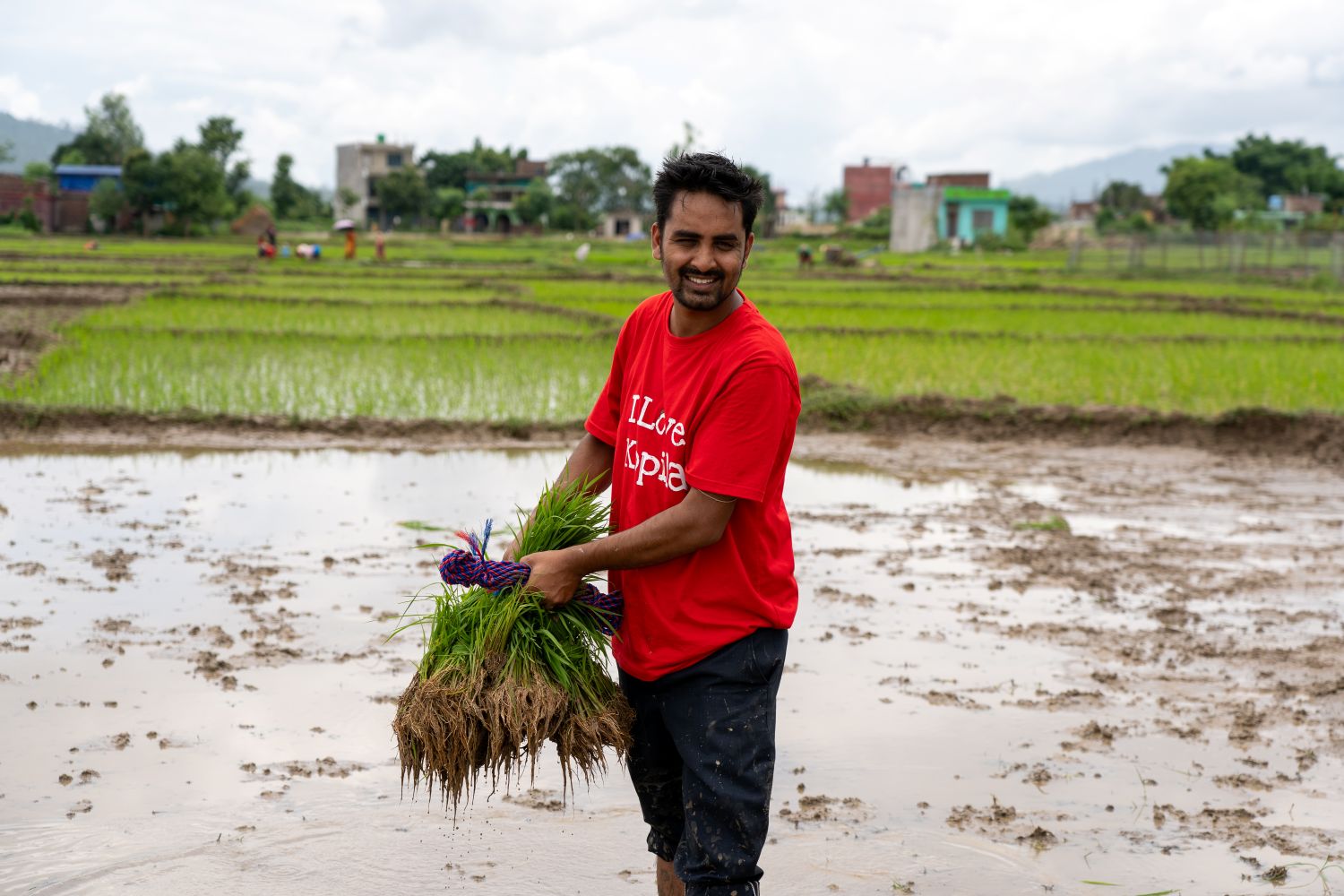
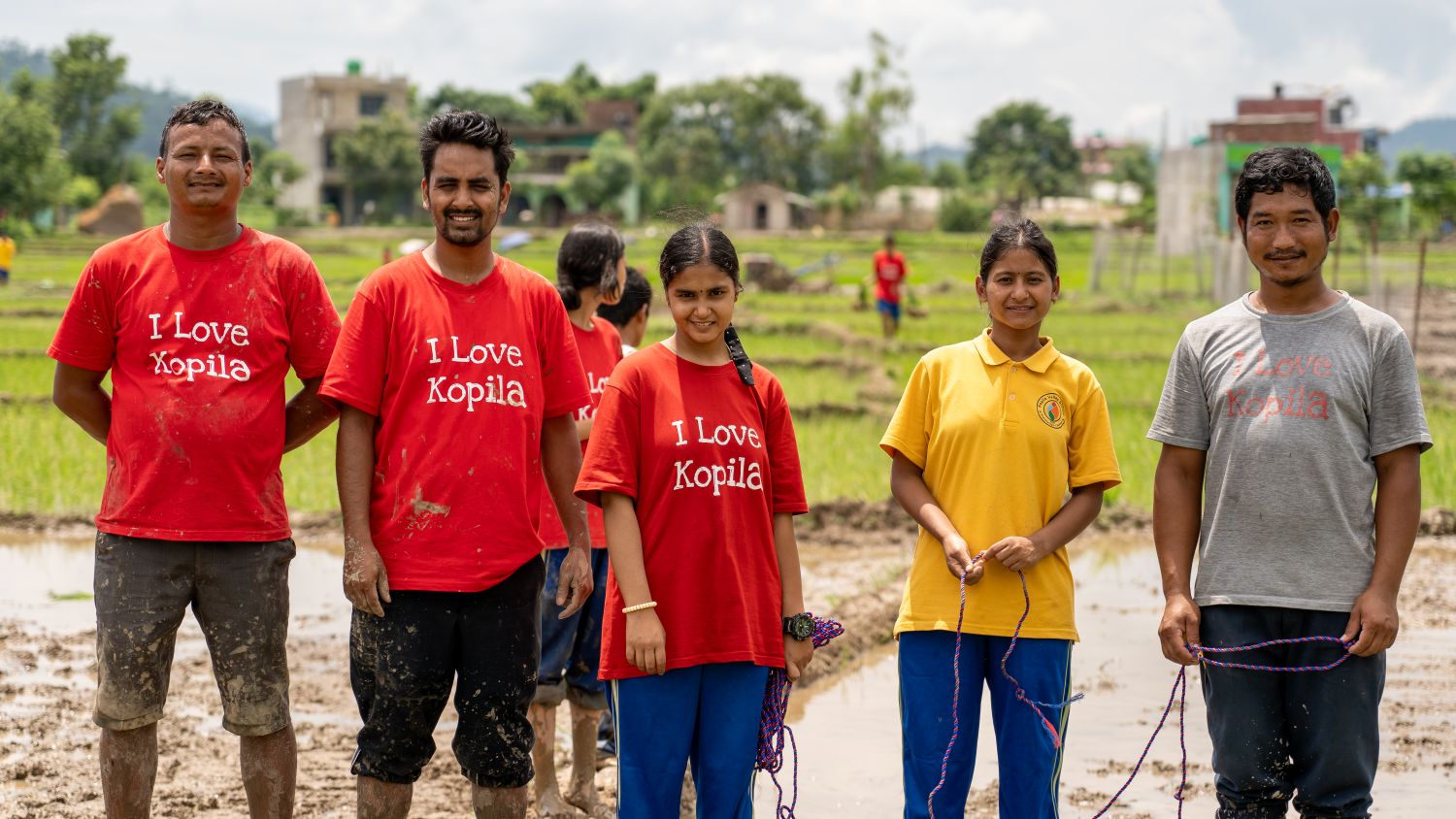
What’s more important than letting children play in dirt, get their hands muddy? We believe that children learn not only when they see, but when they also feel and understand.
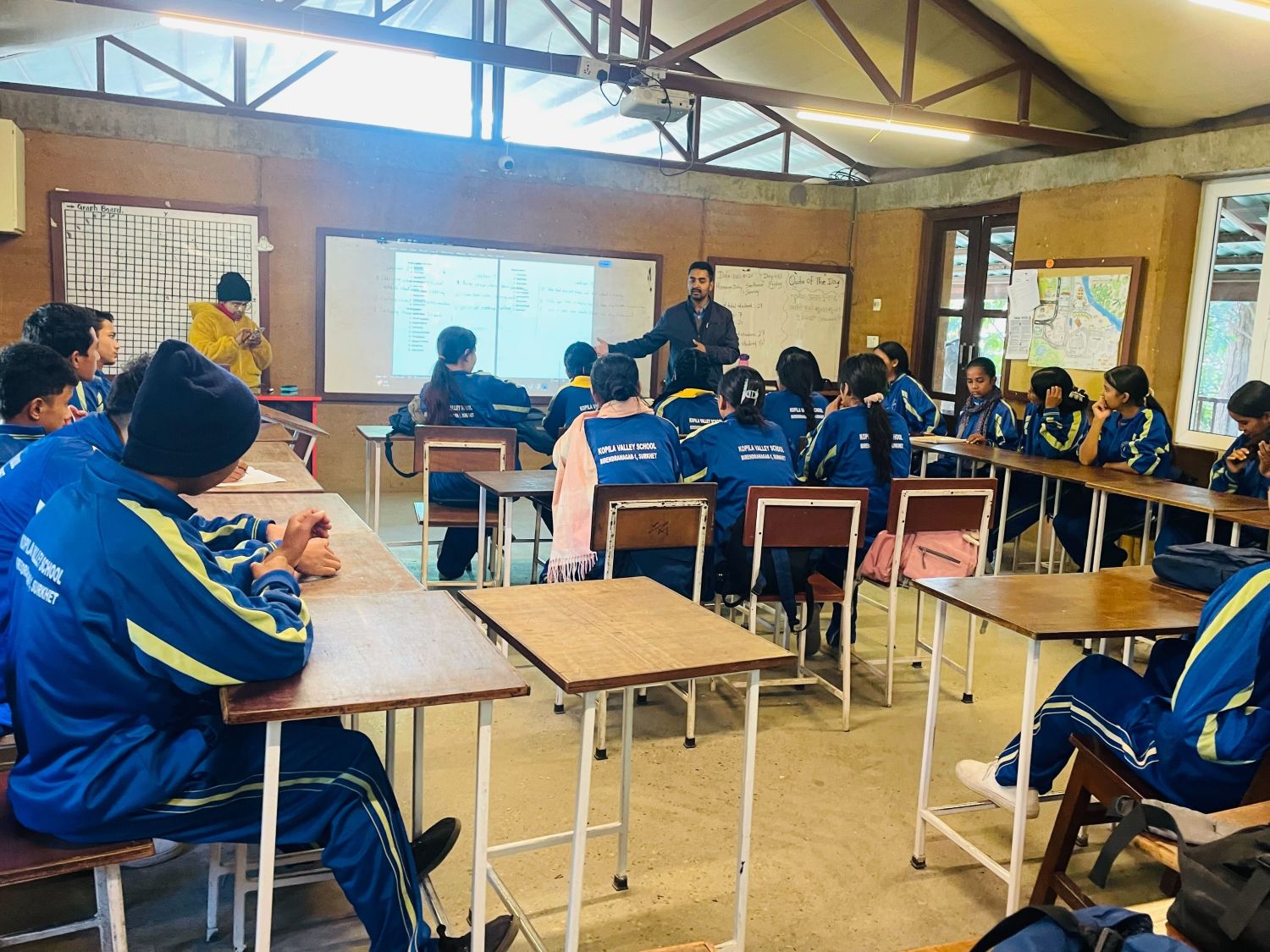
At Kopila Valley School, students plant, harvest, compost, and experiment.
The campus itself is a living lab, buzzing with an organic farm that teaches our students about their local food. Students see firsthand how balance is essential—if one part is affected, everything else is too. Vermicomposting units teach them about turning waste into wealth, solar energy teaches them about using nature’s ray of magic, and air quality monitoring teaches them about the air they breathe.
And the best part? Students love it.
From gardening classes to bird watching and rice planting, it’s the hands-on experiences, the ones where you can actually see change, that spark the most excitement.
WHAT FUTURE SUSTAINABILITY GOALS OR PROJECTS ARE YOU MOST EXCITED ABOUT?
We have started beekeeping, which is equally thrilling for us staff and for students at the school. Since bees are excellent pollinators, I look forward to expanding the pollinator learning center, integrating agriculture further into the curriculum, supporting more green businesses, and developing the campus as a regional model for sustainable practices.
WHAT IS YOUR TEAM DOING FOR THE COMMUNITY?
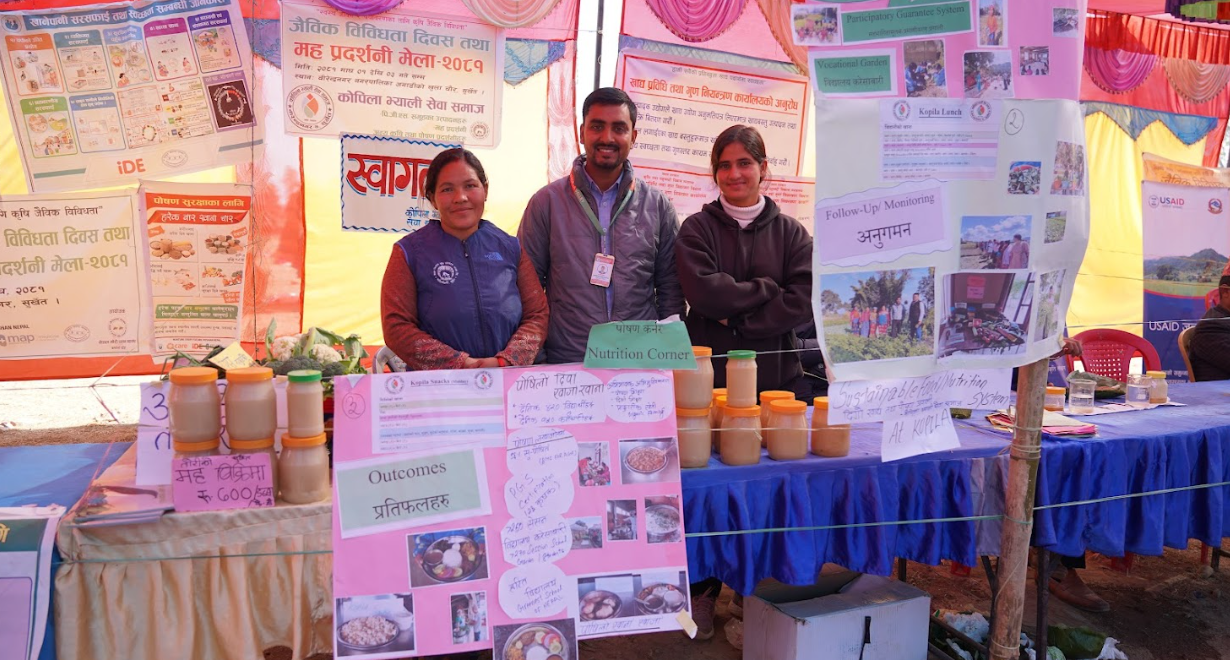
We have partnered with the local community of Tharu in Surkhet. They are a collaborative team of PGS (Participatory Guarantee System) members. PGS is a locally-led farming system that ensures food is grown organically through peer review and mutual accountability. Unlike conventional certification models, it is simple, affordable, and accessible, especially for small-scale farmers. By relying on local verification and direct relationships, it builds confidence between producers and consumers while supporting farmers in bringing their products to market.
Through PGS, farmers receive hands-on training, technical guidance, field visits, soil testing, and mentorship. They are encouraged to adopt sustainable practices like organic farming, integrated pest management, and seed saving. At the same time, farmers’ markets and local initiatives help strengthen food systems, creating opportunities for growers to connect directly with their communities.
Our students are also an important part of this ecosystem. Through farm visits and participation in farmers’ markets, they gain real-world exposure to sustainable agriculture. These experiences help them understand where food comes from, the value of ethical farming, and the importance of supporting local producers.
It’s simple: farmers support farmers, communities support local food, and everyone grows together.
WHAT MESSAGE WOULD YOU LIKE TO SHARE ABOUT CARING FOR THE PLANET?
Caring for the planet starts with small daily actions. By working together as a one whole community, we can preserve our environment and create a sustainable future for the next generation.