
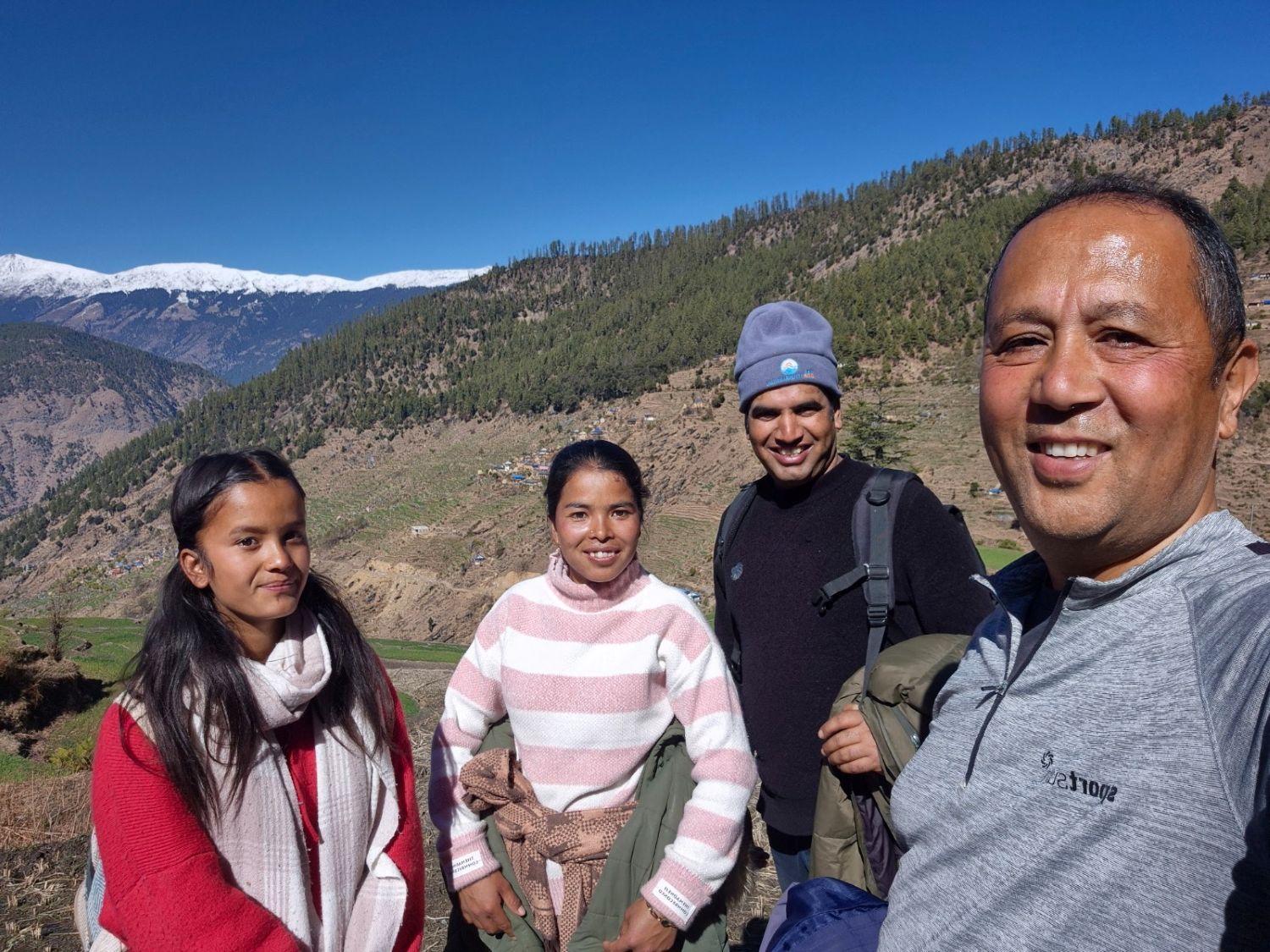
We have started seeing results from BlinkNow’s Leadership Development program! A core part of this program is our annual Summit in Surkhet, and we thought it would be fun to learn directly from a Summit participant about how the experience has impacted their work. Today, we are learning from Shalav Rana, Managing Director at Oda Foundation in our neighboring Kalikot district. Shalav shares how the lessons of the Summit have helped to make progress in his organization, and how his values impact his nonprofit leadership. Here are his words. (We are grateful to Chelsea Nepal for partnering with us on the Summit every year.)
Hi! I’m Shalav Rana and I work at Oda Foundation as a Managing Director. Oda Foundation works to empower underserved communities in Kalikot, Nepal, by designing and implementing community-led programs across education, health, and food security.
I joined the Blinknow Leadership Development Summit in 2024. It was, in every sense, a transformative experience for me. Being surrounded by individuals who had spent years—some even decades—working in the nonprofit sector created an atmosphere rich with insight, humility, and purpose.
Among all the meaningful encounters, meeting Maggie, BlinkNow’s CEO and Co-founder, stood out the most. Her journey, dedication, and unwavering commitment to her work were not only inspiring but deeply instructive. She gave a session on fundraising. Through her, fundraising became a powerful expression of vision, storytelling, and belief.
Equally memorable was being part of a small group of individuals from similar sectors, engaging in thoughtful discussions, and participating in collaborative activities. Being in a space like Kopila Valley School added another layer of meaning. It was a living example of what vision, compassion, and consistency can build over time.
If someone ever asks me what leadership means to me in the context of nonprofit work, I will say integrity, agency, empathy, and understanding a systems approach – because in a nonprofit, we have to work with numerous of stakeholders and gain their trust. Strong and compassionate leadership also depends on two essential elements: mentorship and culture. Having someone who models these values provides guidance and clarity, while an organizational culture that encourages vulnerability and empathy creates space for growth. When people feel safe to make mistakes and learn from them, they become stronger—and so does the organization.
Starting and sustaining a nonprofit is undeniably complex. From forming a board to defining a mission and securing funding, each step requires careful thought. Where we are located, it’s not just difficult to reach people with our message, but it is geographically challenging as well. While we’ve struggled with getting supplies and resources in the past, the villagers all came together to help us. So, I know that in the heart of it all lies one simple but powerful belief: the right people come first. Systems and strategies can be built and refined, but without individuals who bring integrity and purpose, we cannot succeed.
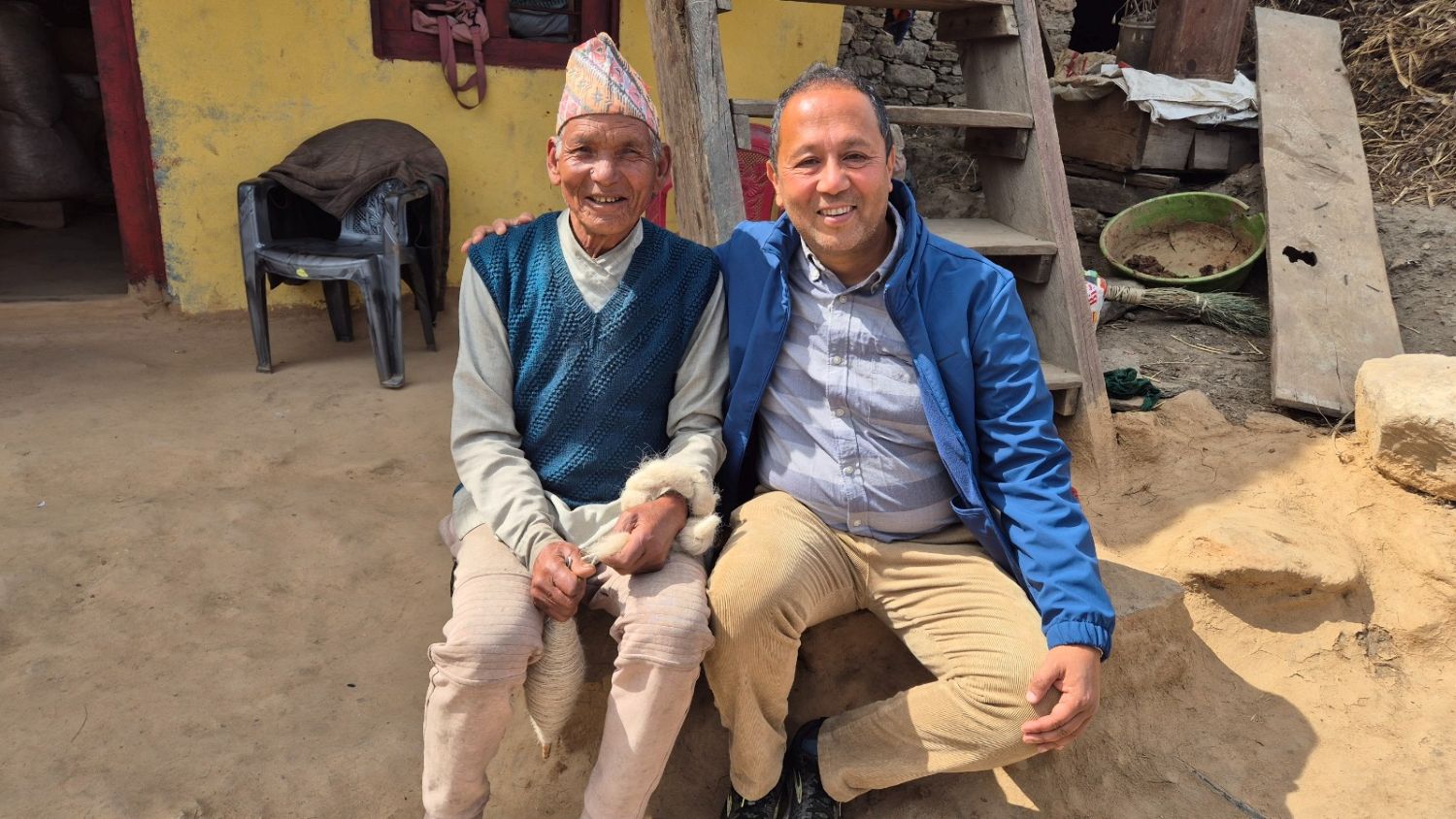
A key takeaway from the Summit is the importance of a systems approach. No single individual carries the weight of an organization’s mission alone. Success comes from collective effort, from building teams that share a vision and are committed to long-term goals. This has already begun to influence how we practice leadership—it is less about directing and more about enabling, aligning, and sustaining.
Our hopes for the Oda Foundation and the community we serve are many. Securing more funding will help us co-create more programs together with the community. When we work together with the community, we learn more and gain the trust of our community. The local people will learn to see problems and solutions in the same basket, and to understand how they can change their own communities with programs that are highly relevant.
Recently, we have celebrated two major successes at Oda Foundation. First, we built an education strategy with the involvement of the board and the staff and allocated funds to implement it. Building a strategy was very inspirational and a team achievement. But the most important work now is to implement this and see real results. We also received a great evaluation report for our recently completed work and are inspired to keep working.
One piece of advice I would give to those entering the nonprofit world is that the path requires more than ambition. It calls for humility, a firm stance against discrimination, and a deep commitment to integrity, empathy, and agency.
