

Puskar was only eight when the world as he knew it shattered. His father—his hero, his safe place, the family’s sole breadwinner–was taken by a brain tumor. It happened too fast, and yet the pain lingered like an echo that never stopped reverberating.
In the silence that followed his father’s final breath, life changed. Not in big, cinematic moments—but in everyday things. The quiet dinners. The empty chair. The weight in his mother’s eyes, which never really left.
His mother, in her late 20’s, tried to hold the family together with trembling hands. Grief-stricken yet resilient, she became both mother and father overnight. His older brother and sister, just children themselves, aged far too quickly, stepping into shoes they were never meant to fill.
And Puskar – small, confused, and aching – watched it all from the corners of rooms, from behind half-closed doors. He learned far too young that survival isn’t just about food or money. It’s about keeping your spirit alive when everything around you has gone quiet. While his home reminded him of the grief that lingered, Kopila Valley School was his happy place, where he could forget and be a small boy with eyes full of dreams.
“I ache for those boys and girls in Nepal who never get the chance to sit in a classroom,” he says quietly, his voice almost swallowed by the weight of the sadness he feels. “For me, Kopila Valley is everything. It’s where my dreams learned how to take forms. It’s where hope had a name. It’s where I first felt like I mattered. You don’t just learn math or science in a place like that,” he continues, softer now. “You discover who you are. You begin to hear your own voice, the one that tells you what you’re meant to become. Without school, I wouldn’t have found my true calling.”
After graduating in the year 2024, Puskar listened to his calling and followed it.
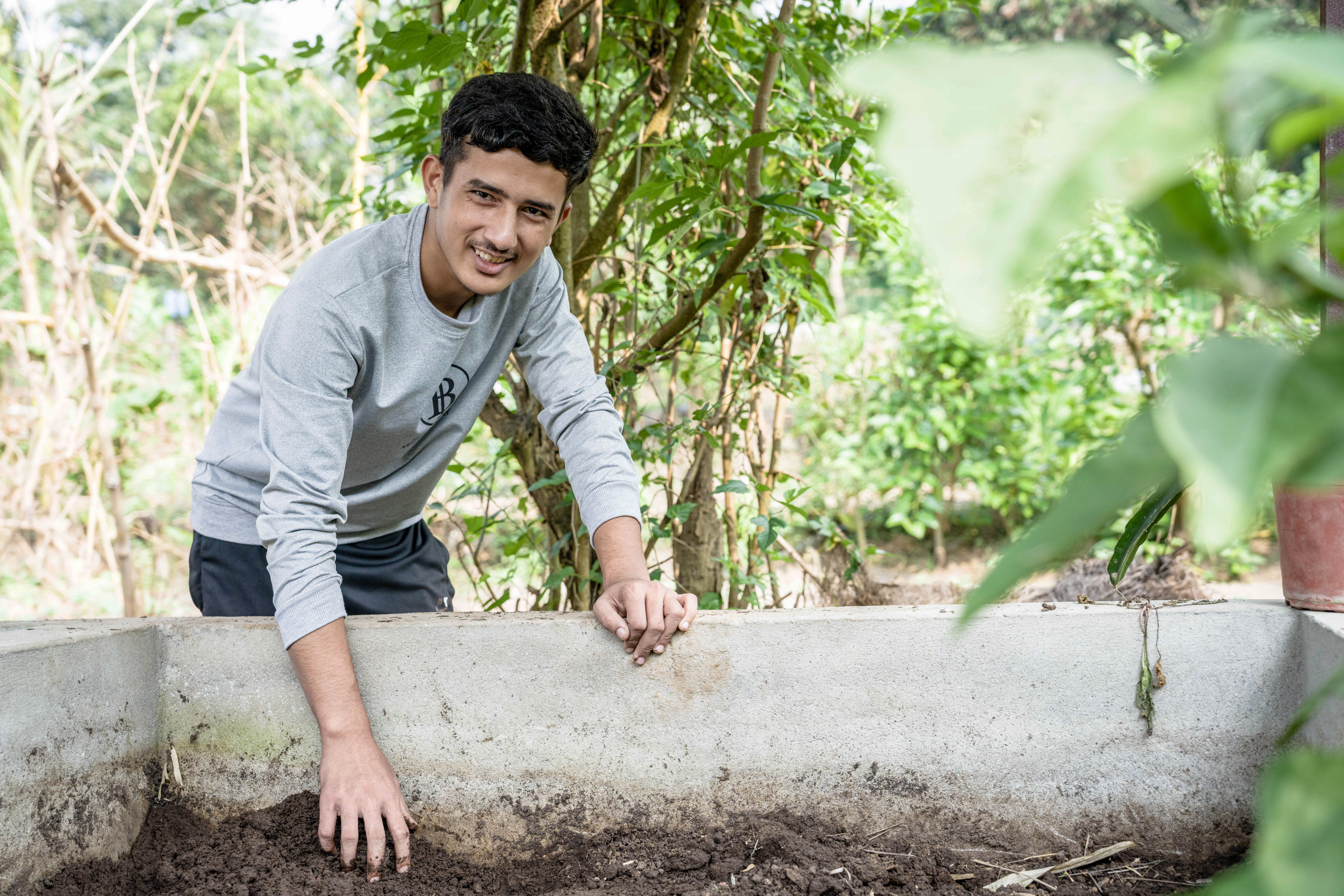
TRUE CALLING
Puskar has always been the kind of person who can’t look away from a problem. Where others might shrug and move on, he leans in—curious, restless, determined. For someone wired to fix what’s broken, Surkhet felt like a constant whisper in his ear.
To him, the place he called home seemed to always teeter on the edge—lush hills slowly withering, rivers choking on waste, and the air growing heavier with each passing year. It was like watching something beautiful slowly being eaten alive.
And yet, not many spoke about it. Environmental awareness wasn’t just lacking—it was almost nonexistent. In Puskar’s eyes, this wasn’t just a crisis, it was a call. A call to act, to speak up, to do something before it was too late.
Thus began his environmental advocacy journey.
DETERRING VOICES
After graduating, Puskar involved himself in environmental social movements with his +2 (Grade 11 and 12) friends who shared his vision and aspiration. “It was particularly easy for me because I knew what I was doing. I was an active member of my school’s sustainability club, where we led several impactful initiatives, such as community clean-up drives, planting over 100 trees, and raising awareness about environmental issues.” He shares, “Our goal became to inspire change by taking action and engaging with the local community.” He formed a dynamic youth-led group called HAMRO, which grew to include 20 to 30 members from various schools across the Valley. It began as a small team united by shared passion for the valley, hosting awareness events and recruiting like-minded individuals. They focused on waste management, sustainability education, and collaborating with local government bodies to develop practical solutions for environmental challenges.
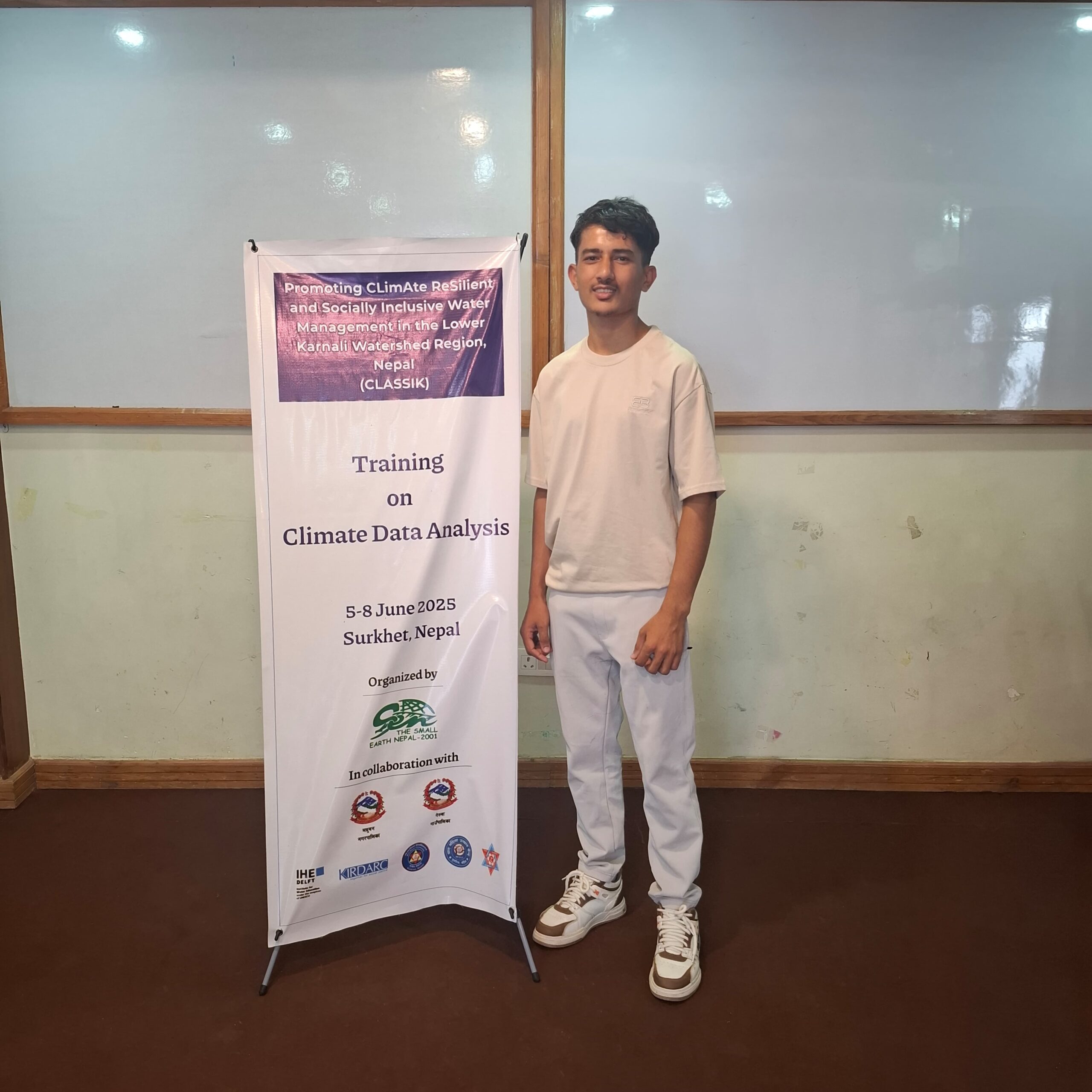
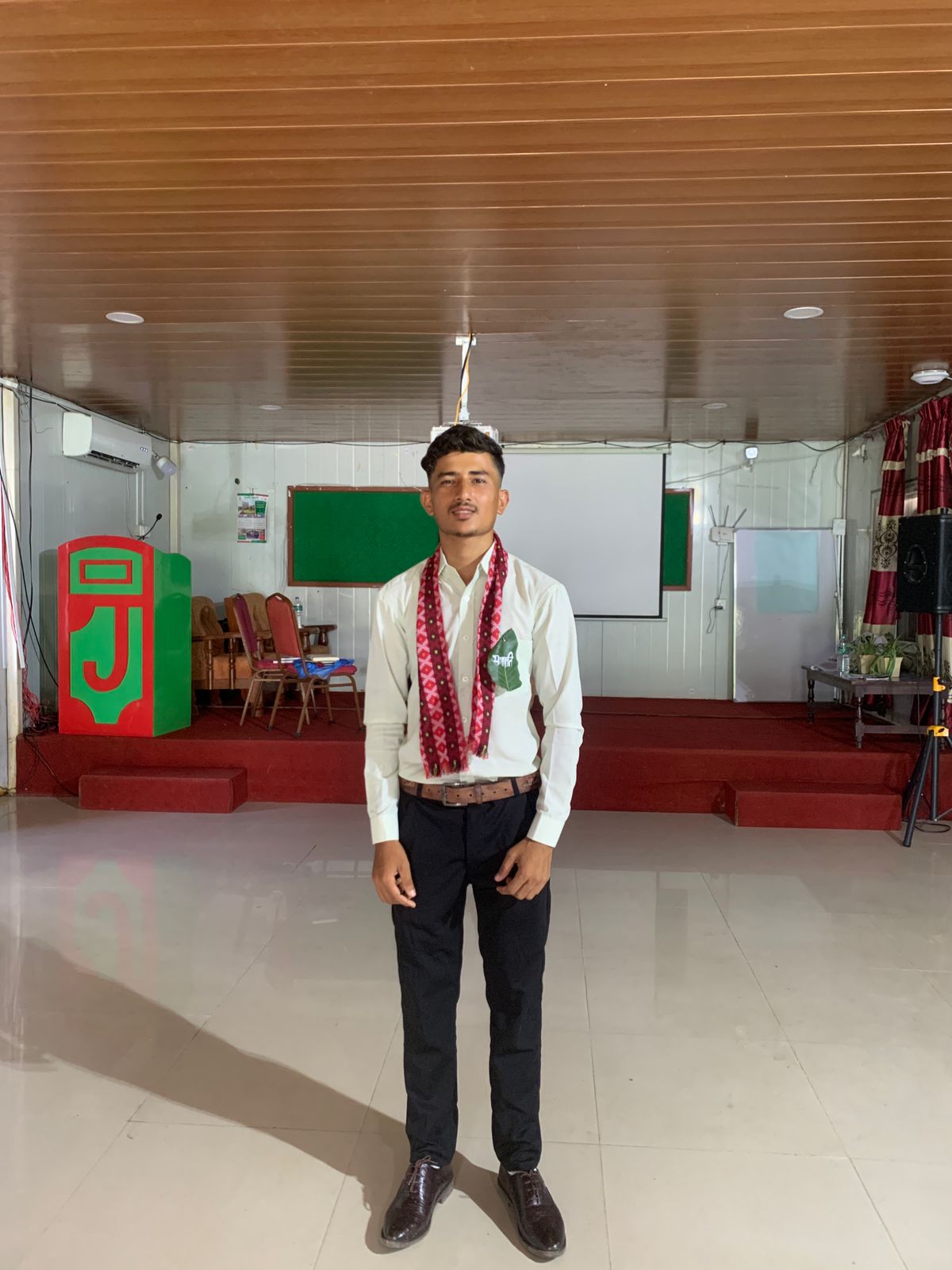
With all the impacts his team had made with his leadership, there still seemed something missing. One day, Puskar thought that he was limiting his potential.
So, he decided to take action.
“I joined Mid-Western University with a resolve to study Environmental Science, a subject that felt deeply right to me. My family and relatives applauded my leadership in the HAMRO Club, proud of the way I had stepped up for a cause bigger than myself. But when it came to my choice of study, their cheers faded into concerned glances and hesitant conversations. It was as if they admired the fire in me but feared where it had led.”
“For a boy like me who has no stable background, no family heirloom to inherit, a smart decision is the most logical. The fact that I know I can’t afford to mess up is scary,” Puskar reveals. “While it looked like I was following my dreams and my goals, many relatives and people around me saw it as me taking a reckless move.
‘Why?’
‘Why this?’
‘You should have chosen Engineering.’
‘What you’re doing won’t make a difference.’”
There’s a certain peace in tuning out unwanted remarks, especially when they question your life choices—letting them fade into the background is a freedom of its own. But silence doesn’t come easy when shadows of doubt quietly tiptoe into your decisions. At times, Puskar finds himself walking the path of change alone.
“But the Kopila Family has always stood by me. My teachers and mentors have supported us through sponsorships, encouragement, and action. They’ve walked alongside me—organizing clean-up drives, planting trees, and hosting events that promote sustainable living and environmental awareness. Kopila Valley is more than a school to me; it’s my safe space—a place where my ideas are heard, valued, and given the chance to grow.” He shares that when an idea strikes him, he always runs it by the school’s leaders for guidance.
Now, thanks to the constant encouragement of his Kopila family and his own undeterrable passion, Puskar has brought his vision to life by officially registering his club as ‘DIGO SOCH NEPAL’ which translates to ‘SUSTAINABLE THINKING.’ The programs organized by his club are supported by government funding, enhancing their reach and effectiveness.
“You can already see remarkable changes taking place in Surkhet,” he says. “The youth are becoming keenly aware and influenced by our acts of service. Even the adults are beginning to change; many have stopped burning plastic and are adopting better waste management practices.”
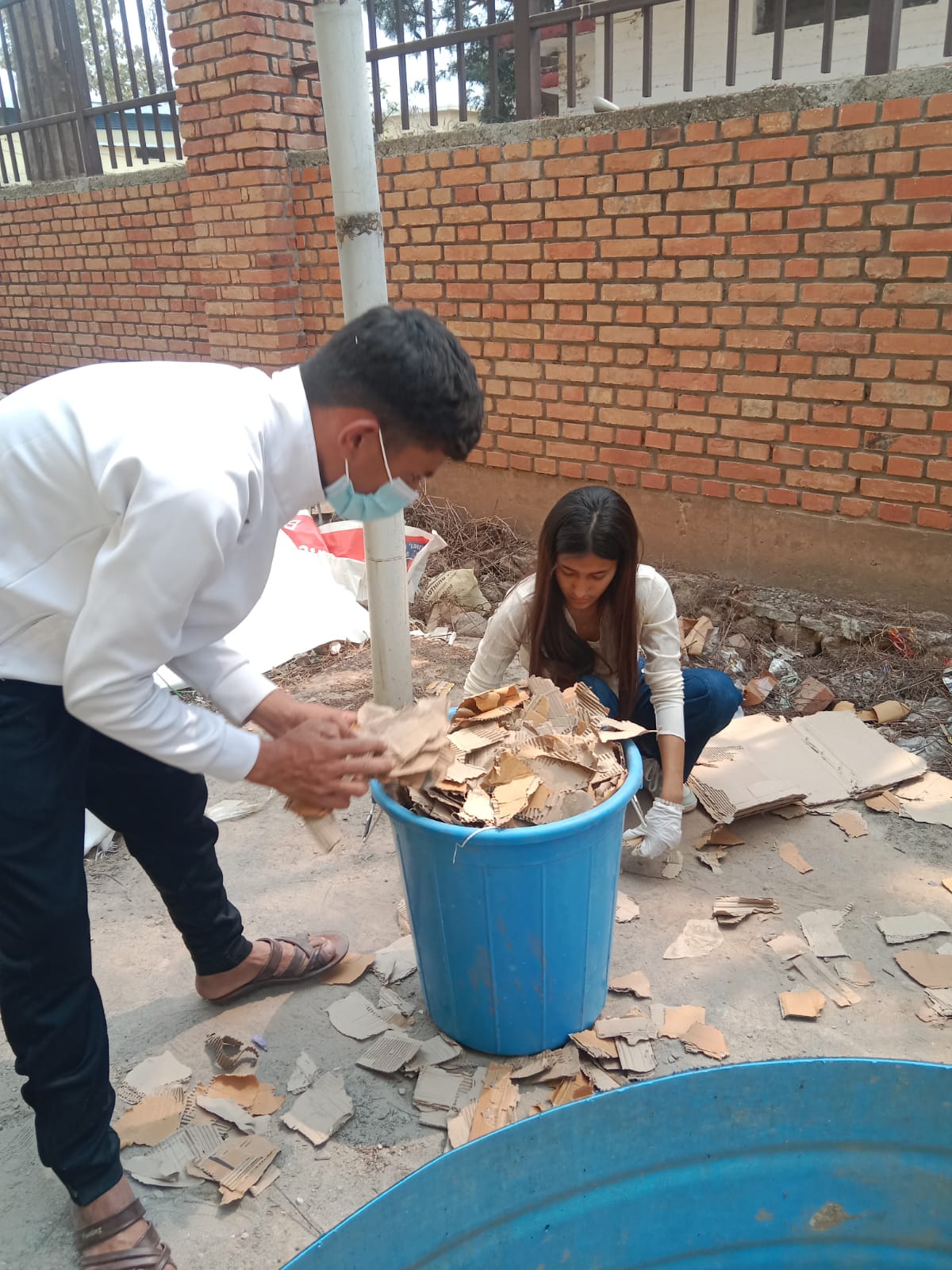
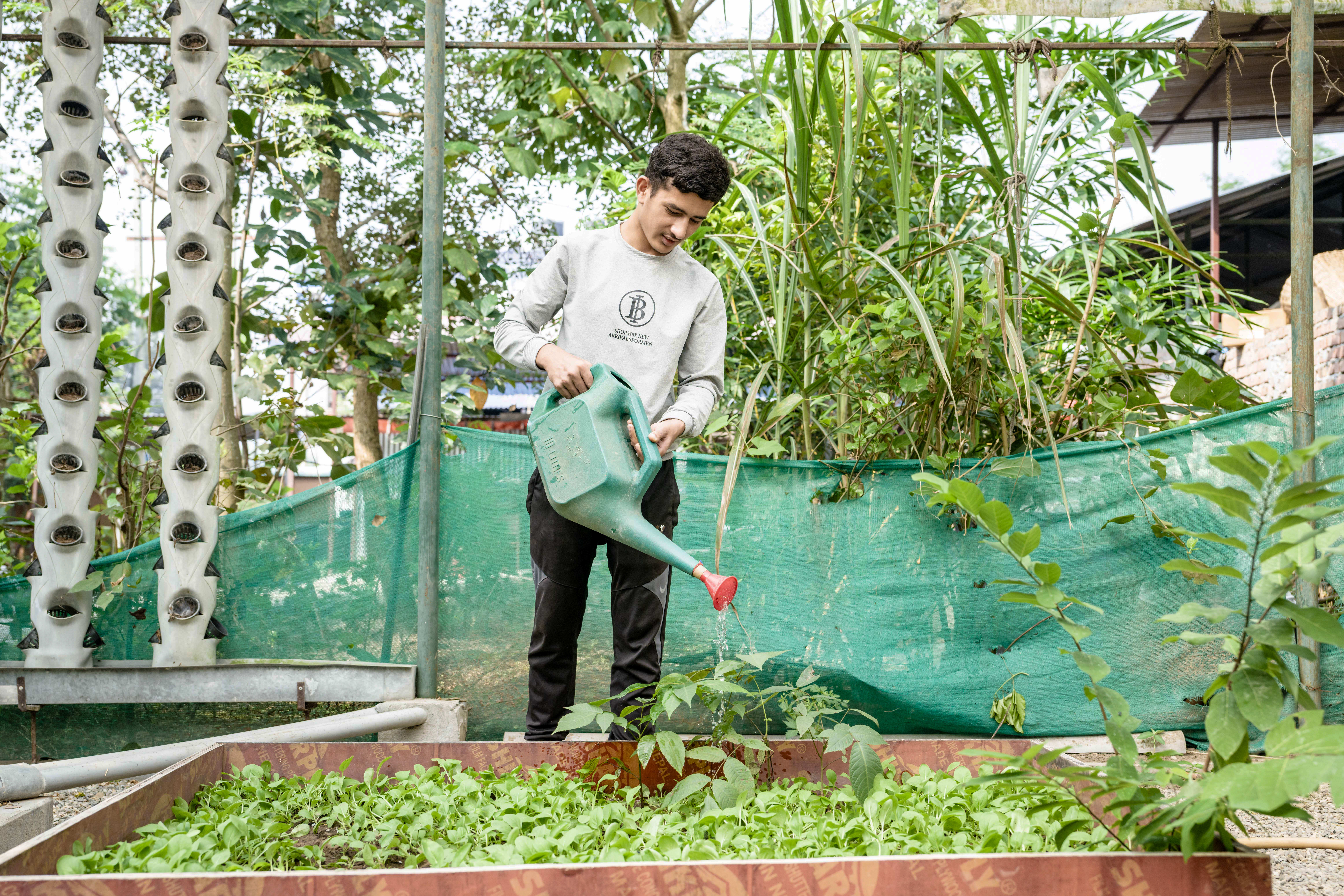
His act of teaching doesn’t just end here; in the afternoon, he provides home tutoring for Math and Science to students. Although it’s only been three or four months since he enrolled in college, he is already taking the lead on impactful initiatives like the school’s ‘Waste Management’ project, where he serves as the coordinator—an effort launched by the Graduate School of Science and Technology students. His accomplishments don’t stop there; he was recently elected as the Vice Network Coordinator for Nepalese Youth for Climate Action Karnali (NYCA). After nearly five years as a central member of the organization, stepping into this leadership role marks a significant milestone in his journey.
“I truly believe there’s no joy quite like making a meaningful difference in the world and being recognized for it. None of this would have been possible without the support of so many incredible people—some who helped in big, visible ways, and others whose quiet encouragement meant just as much. Every bit of support has shaped my journey, and for that, my heart is full of gratitude.”
Hopefully, Puskar’s inspiring journey reminds you of this simple truth: What’s meant for you will never have to be forced. Listen to your calling.
We are thrilled to have one of our very own Kopila Valley School graduates write this guest blogger series and share alumni stories! Anjali Karki graduated in 2019 and is pursuing a Bachelor’s Degree in Journalism along with a journalism career. We can’t wait to see what each of these world-changers does next. Follow us on social media with the series hashtag (#NarrateYourKopilaStory) for more about these young adults and their adventures.
