

Nepal is known for its warm people and natural beauty, but not necessarily for its education innovation. But what if some key connections – a conversation between a teacher and a parent, a school leader asking what could be done differently, or a community deciding that its children deserve more – could change everything?
In Lekbeshi Municipality, Surkhet, that change is beginning with a question: What could happen if everyone responsible for a child’s education worked toward the same goal?
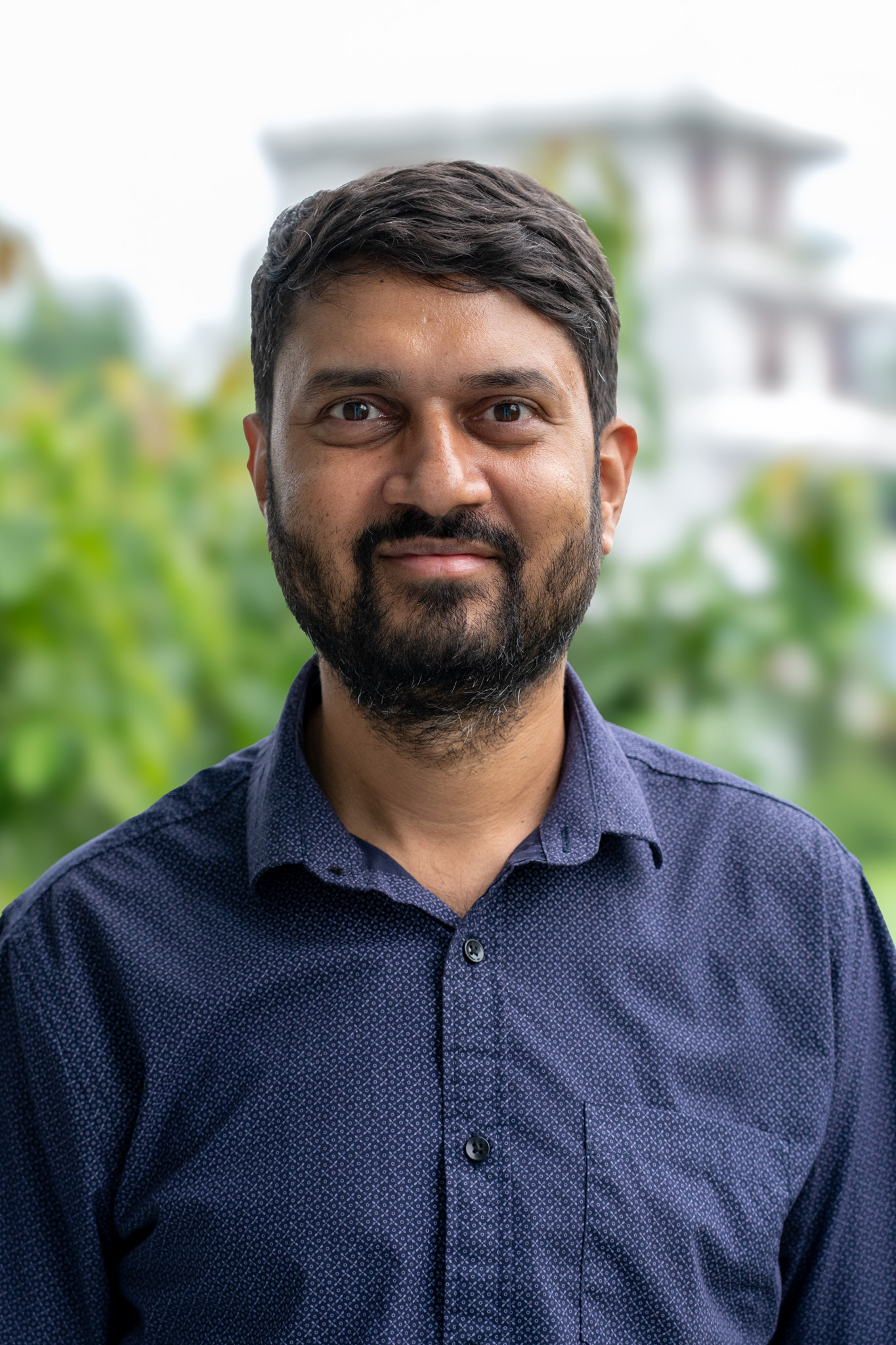
This is the idea behind STEPS (Strengthening Public Schools Through Partnerships), a new program working to improve the quality of education in public schools, led by Tej Prakash Gautam. Using his experience strengthening public school systems across Nepal, Tej is now helping BlinkNow share the successful lessons of Kopila Valley School with neighboring public schools.
Today we hear from Tej in his own words.
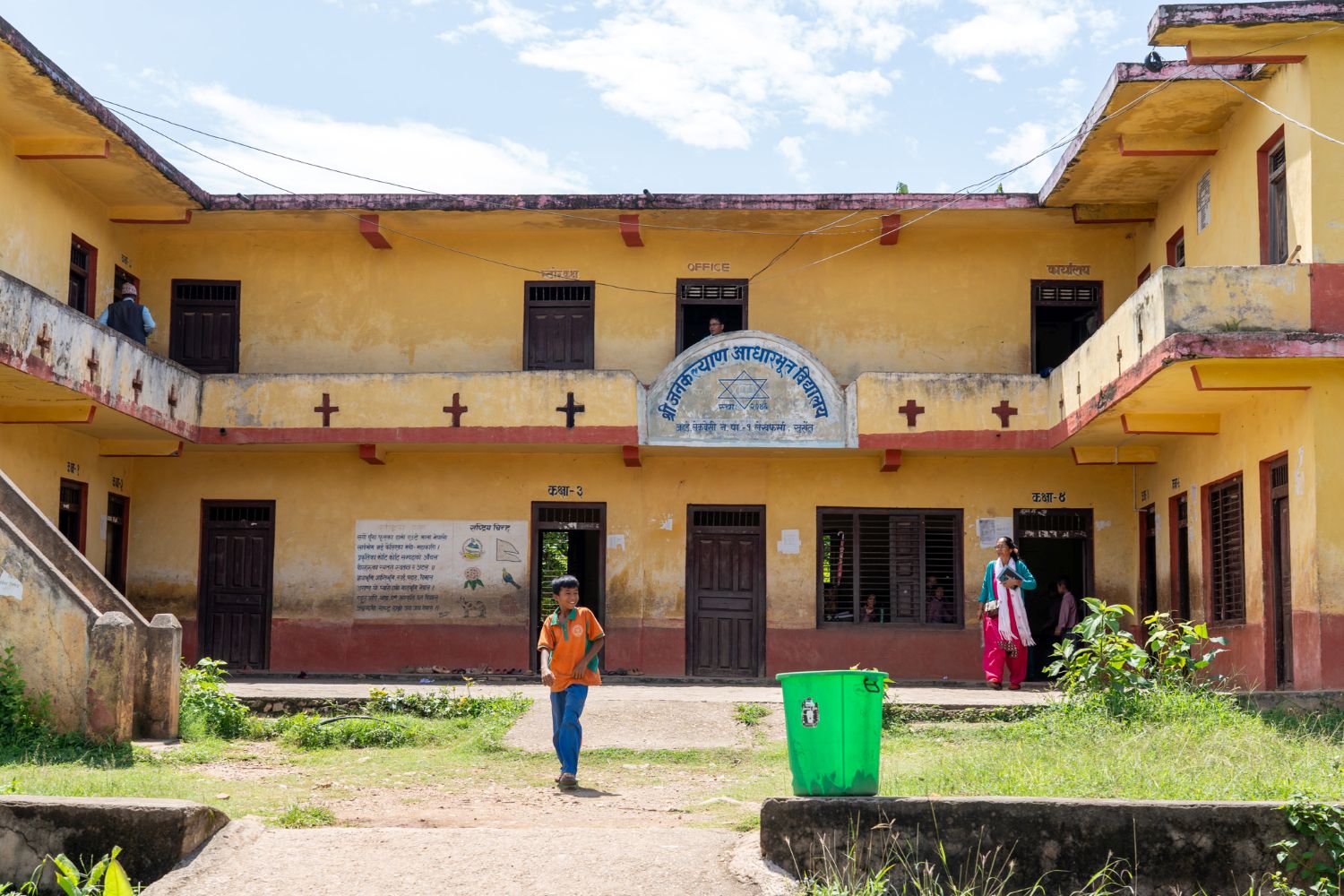
When I found out that I had been selected as a STEPS Leader, I was happy and excited. More than that, it felt like the right opportunity at the right time. My career has always been rooted in improving public education, and STEPS gives me the chance to work more closely with public schools and communities, particularly those where children face social and economic challenges. The program, Strengthening Public Schools Through Partnerships, is working with two public schools in Lekbeshi Municipality, Surkhet, with a focus on improving learning outcomes, and the experiences of children from marginalized and economically disadvantaged communities.
But for me, this work is not simply about introducing new programs into schools. It is about strengthening the people and systems already there—teachers, school leaders, parents, local government, and communities—so that change can take root and continue to grow.
What has surprised me most so far is the school communities themselves. Many of the children in our partner schools come from Dalit and Janajati communities that have historically experienced social and economic disadvantages. There are real challenges surrounding them, and those challenges inevitably find their way into education.
Yet I have also encountered something equally important: determination. Teachers want to improve. Parents want better opportunities for their children. School leaders and the municipality are willing to engage. That willingness matters because lasting change cannot be imposed on a community; it has to be built with one.
Our work touches on improving learning outcomes, learning environments, teacher development, leadership, infrastructure, health and nutrition, and hygiene.This holistic approach has also changed the way I think about my own role, as I am challenged to bring people with different responsibilities and expectations into alignment.
If there is one thing I have learned quickly, it is that bringing people together is easier said than done.
STEPS involves many different people and institutions, each with their own responsibilities, expectations, and ways of seeing the problems in education. I work closely with BlinkNow, the municipality, school leaders, teachers, School Management Committees, parents, and community members.
My role is often to help connect all these pieces and make sure we are moving in the same direction. And sometimes, moving in the same direction starts with admitting that we do not yet know exactly where to go. Together, we are designing and testing some new ways forward.
When I think about the future, I want to see
> classrooms where teaching is more effective,
> students are learning more, attendance is improving,
> there is no child out of school,
> and teachers feel confident in their practice.
I hope parents feel that their voices belong in their children’s education
and school leaders have the capacity to lead improvement themselves.
Most importantly, I want the systems and practices developed through STEPS to continue long after the project has ended.
We are still laying the groundwork. Kickoff meetings have taken place, the Detailed Implementation Plan has been finalized, baseline data collection is nearly complete, and the findings are beginning to take shape. Those findings will help determine where we go next and ensure that our support responds to the actual needs of the schools and communities rather than assumptions about what they need.
I do not expect change to happen overnight. Education is too deeply connected to people’s lives for that. What I hope for is something steadier: a teacher trying something new and seeing it work; a parent becoming more involved; a school leader feeling more capable; a child who might once have struggled to stay in school finding a reason to keep coming back. For me, STEPS is a chance to be part of that process. We are only at the beginning, and the beginning matters.”
