“Childhood trips are the pages of our first adventures, bound in the book of cherished memories.” – Unknown
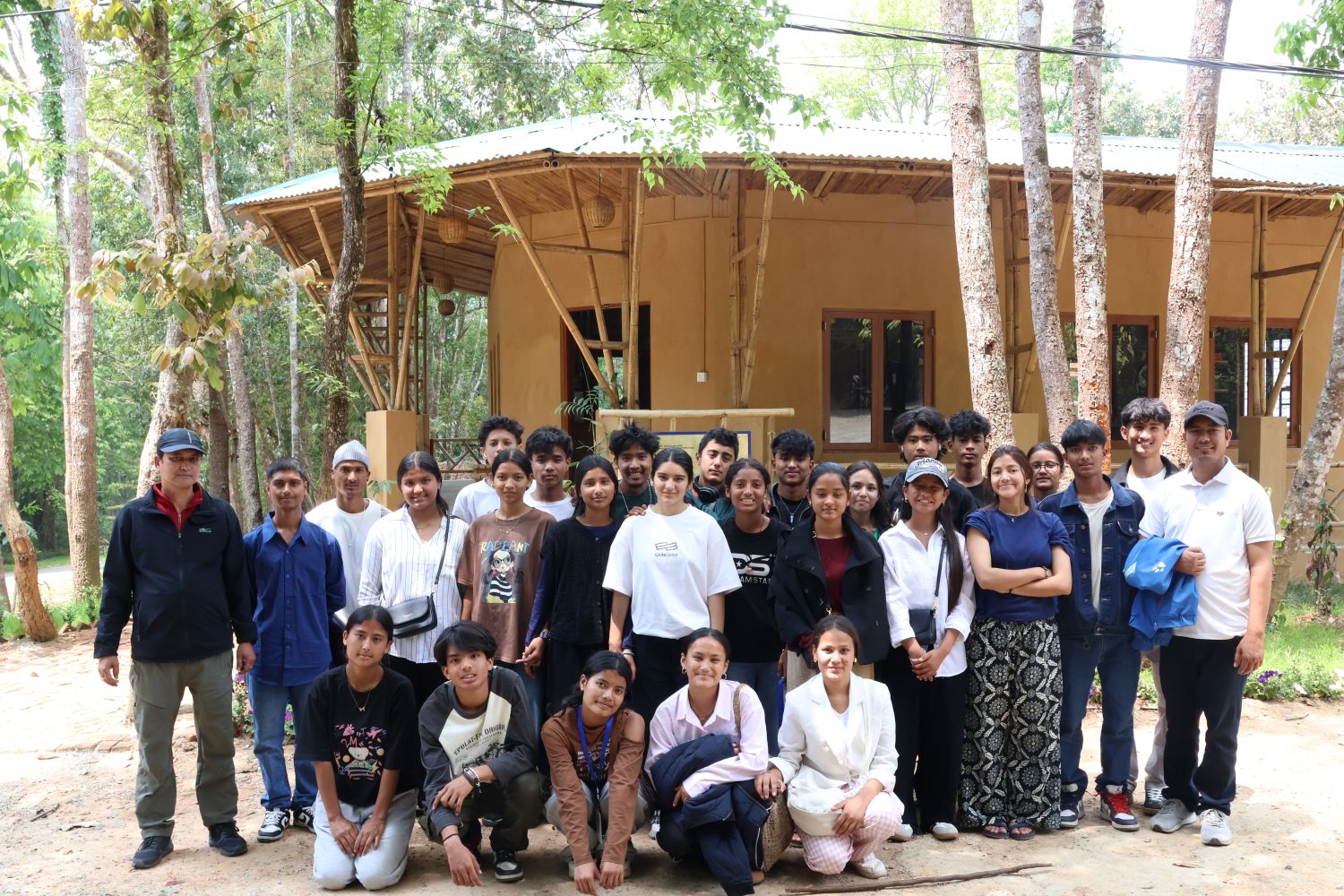
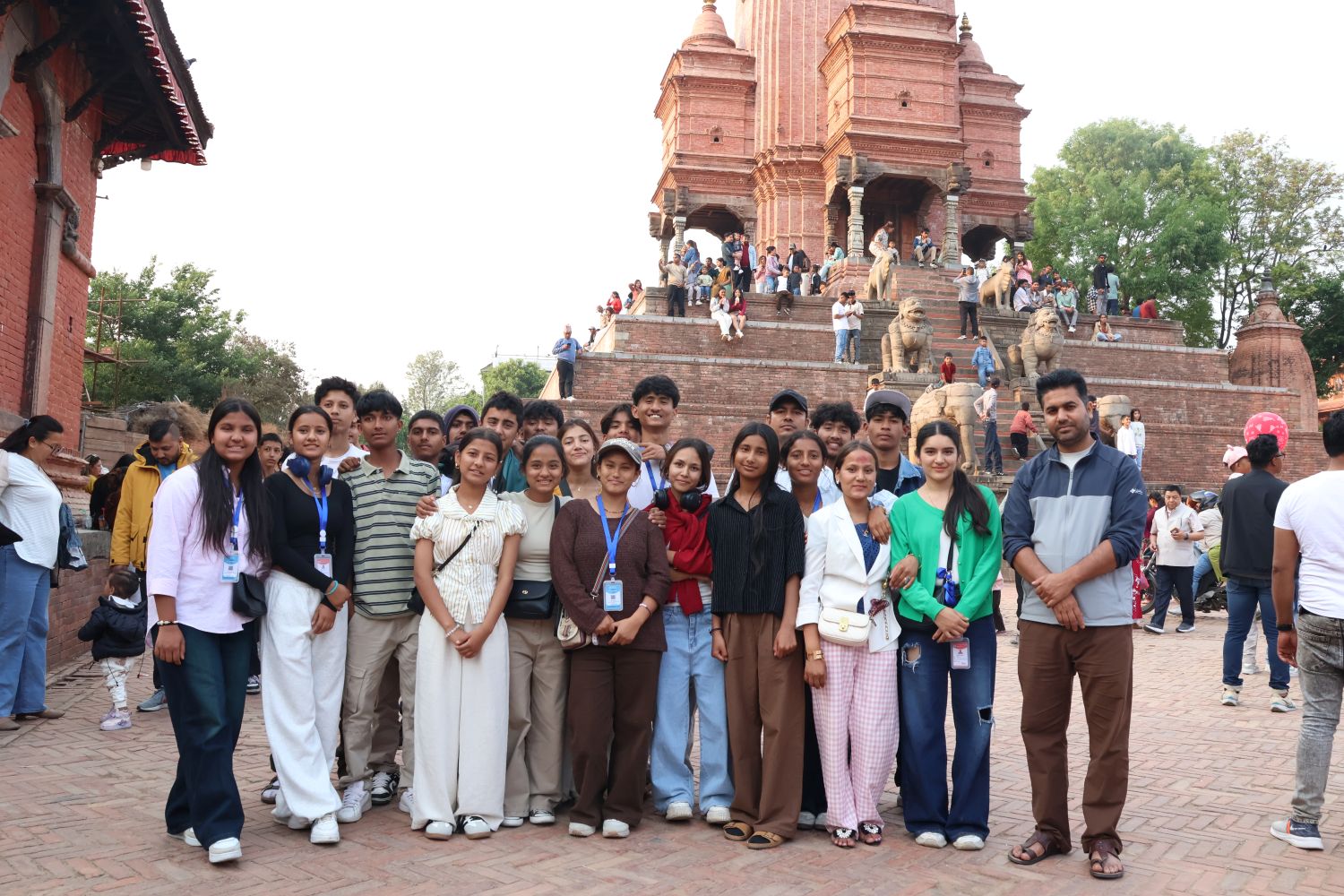
Last month, as part of their graduation celebration, Kopila Valley School’s Grade 10 students took their annual trip to Kathmandu, to explore the history, culture, and sights of our capital city.
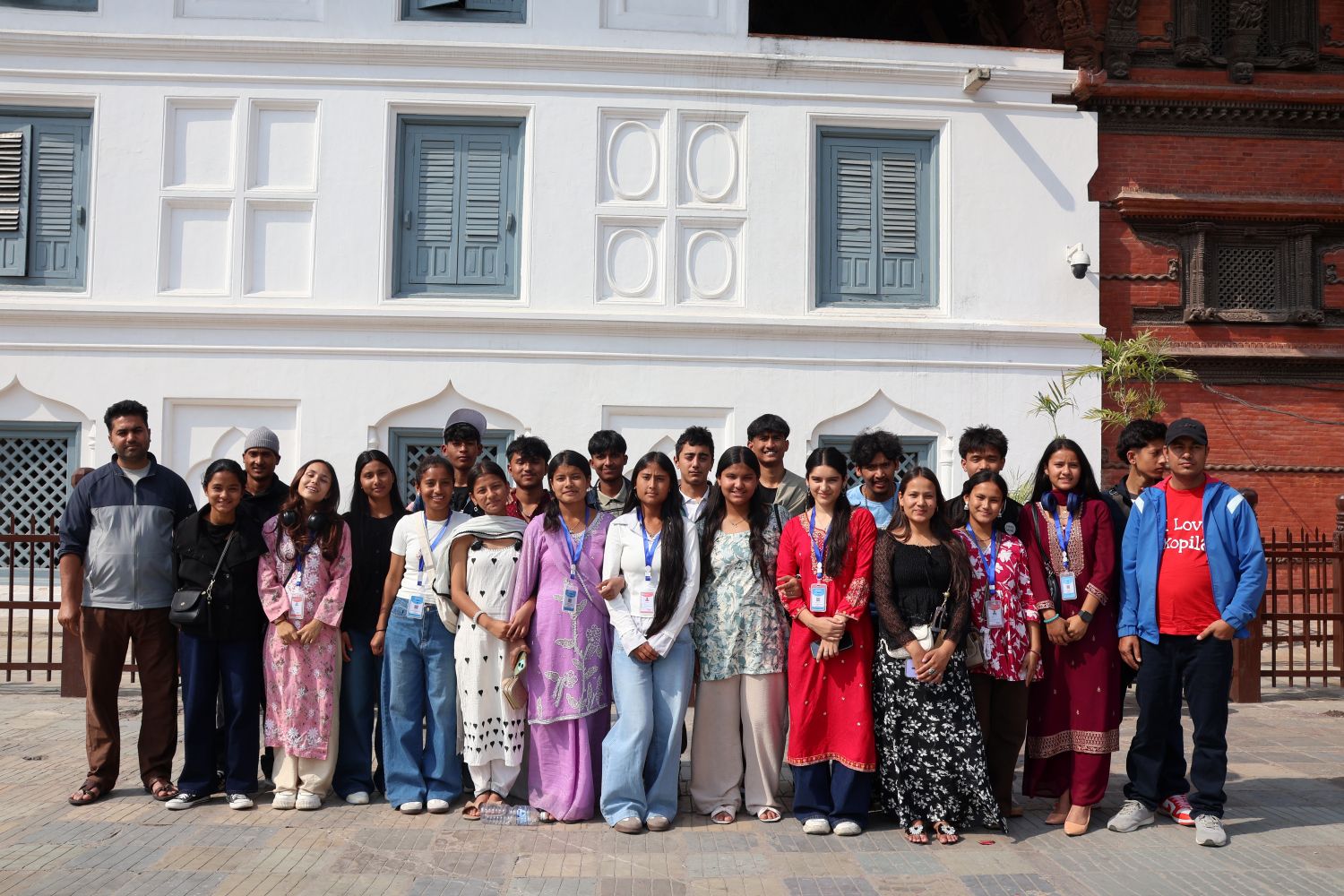
Let us give you a small introduction to Kathmandu before we take you on our trip. Kathmandu, located in the Central region of Nepal, is a captivating destination that beckons travelers with its unique blend of culture, landscapes, mountains, heritage sites, and traditions. Home to the ancient cities of Kathmandu, Patan, Bhaktapur and more, the valley is known for its rich heritage, vibrant traditions, and remarkable architecture. With centuries-old temples, bustling markets, museums, and modern institutions existing side by side, Kathmandu Valley offers a unique blend of history and progress.
We began our journey early on the Kopila Valley School bus at 7:00 am after having breakfast. We were really excited to go to Kathmandu because, for most of us, it was our first time. We had only heard about the capital city, the ancient historical beauty it possessed, and the opportunities it provided. Traveling with each other, after spending almost 12 years together at school, always feels special and different, like a unique kind of adventure.
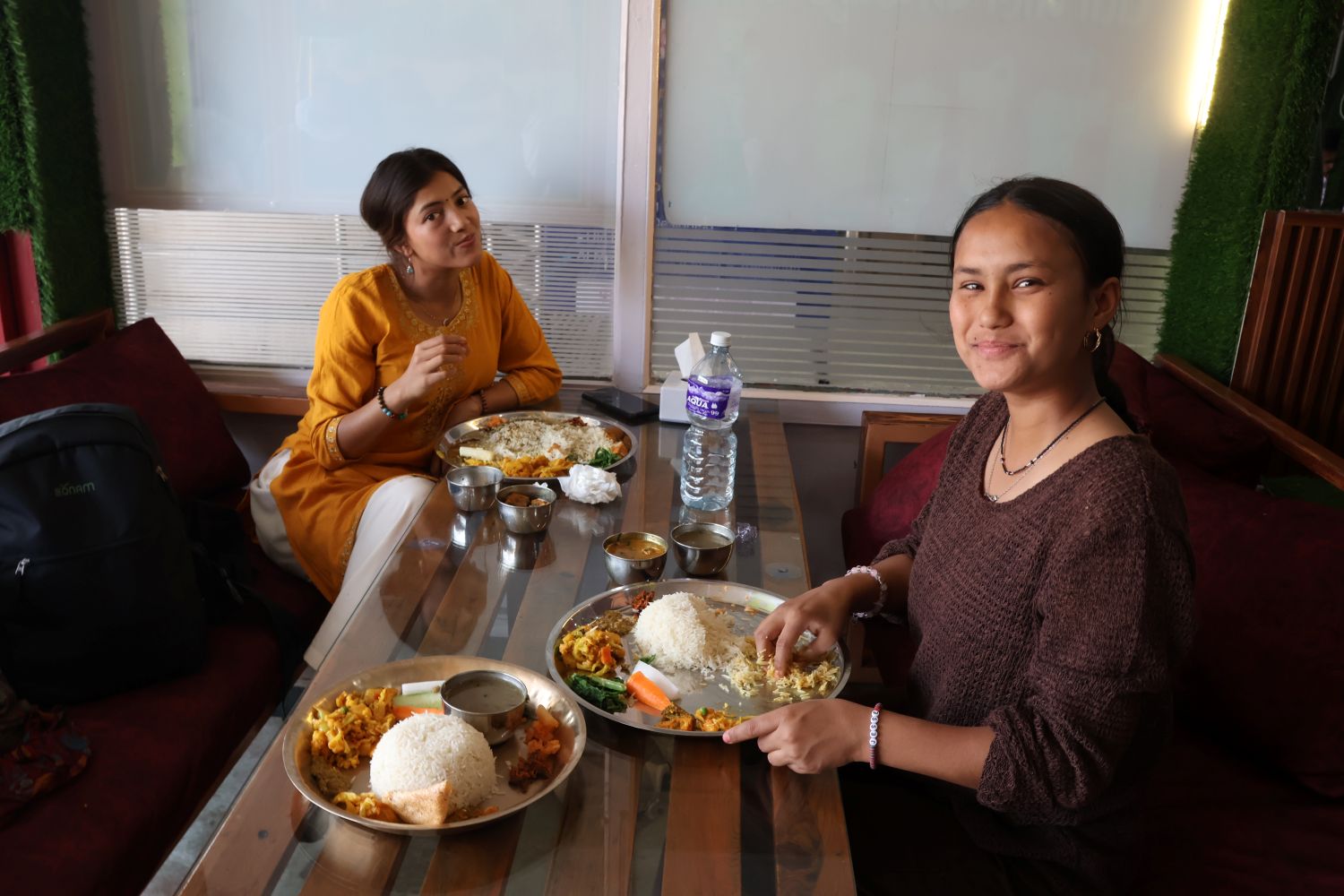
As the day ended, we checked into a hotel, had a special Thakali khana (traditional Nepali meal, usually with rice, lentil soup, and different types of curry) at Bardiya, and the sleep felt glorious.
We reached Kathmandu the next day, at exactly 1:30 pm, and checked into our hotel for the next three days. The boys took the top floor, and the girls took the bottom floor. We freshened up and rested the whole afternoon. We talked about how beautiful the Valley is, from what we could see from the windows of our bus. Some of us went on a short walk while Ganesh insisted that he needed a hair cut.
The night ended with us eating the delicious cuisine of Kathmandu Valley.
A Jam-packed Itinerary
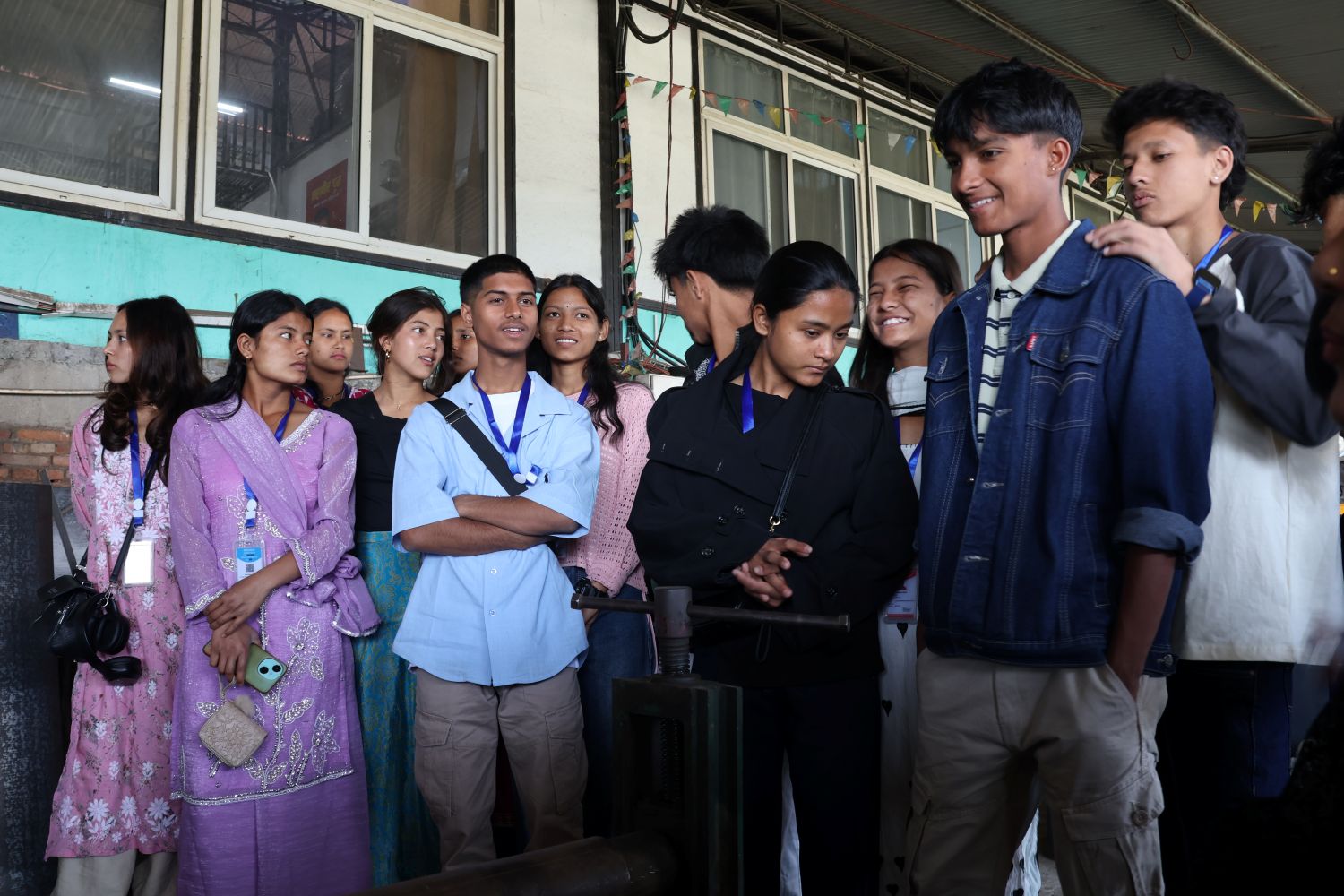
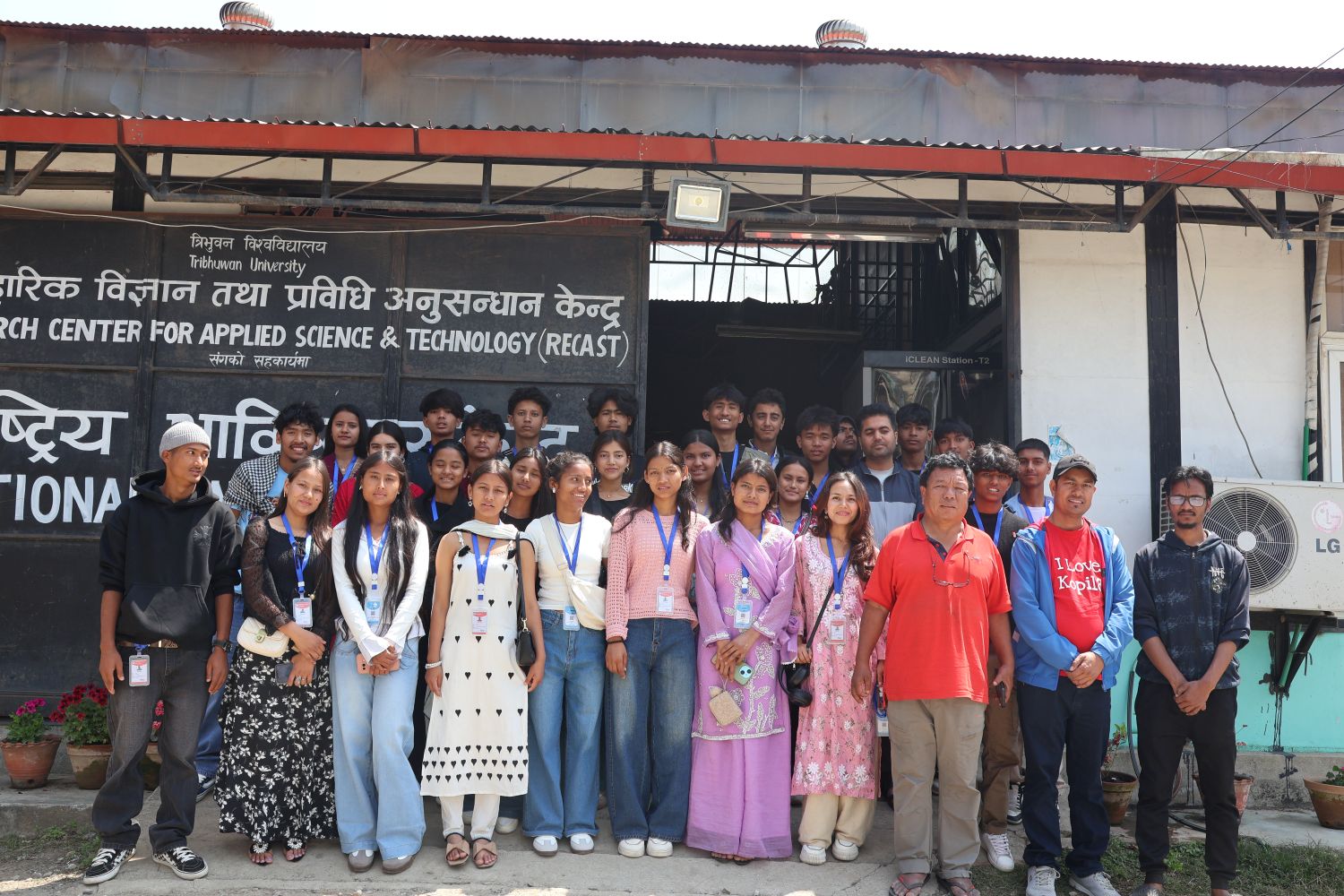
Our teachers managed to fit in a huge variety of activities during our three days traveling the city on our bus. Our first visit was the National Innovation Center at Tribhuvan University. We were welcomed by Mahabir Pun, a globally celebrated social entrepreneur, inventor, and educator. A young worker showed us different domestic technological development projects they are supporting. They had an incubator for chickens, and we reflected on our Science classes as we learned about how an incubator works.
Next, we visited the Central Library of Tribhuvan University. There were students out around the grounds, under the shade of a willow-looking tree, reading their books.
The next afternoon, we visited Pashupatinath, one of the most sacred Hindu temples in the world. Located on the banks of the Bagmati River, the temple is not only a place of worship but also a place where Hindu cremation ceremonies take place. It’s where we can learn about the Hindu belief that death is not an end, but a transition to another life. Watching the evening rituals and observing the cremation ghats (sacred riverfront) from a respectful distance encouraged us to reflect on life, death, and spirituality. For most of us, it was a powerful cultural experience that offered a deeper understanding of traditions, beliefs, and the cycle of life.
We were left awed by the chants, the crowd of people visiting, blazing of the fire, and the sociable monkeys. It was an unforgettable night.
Day 2 brought a lot of walking for us.
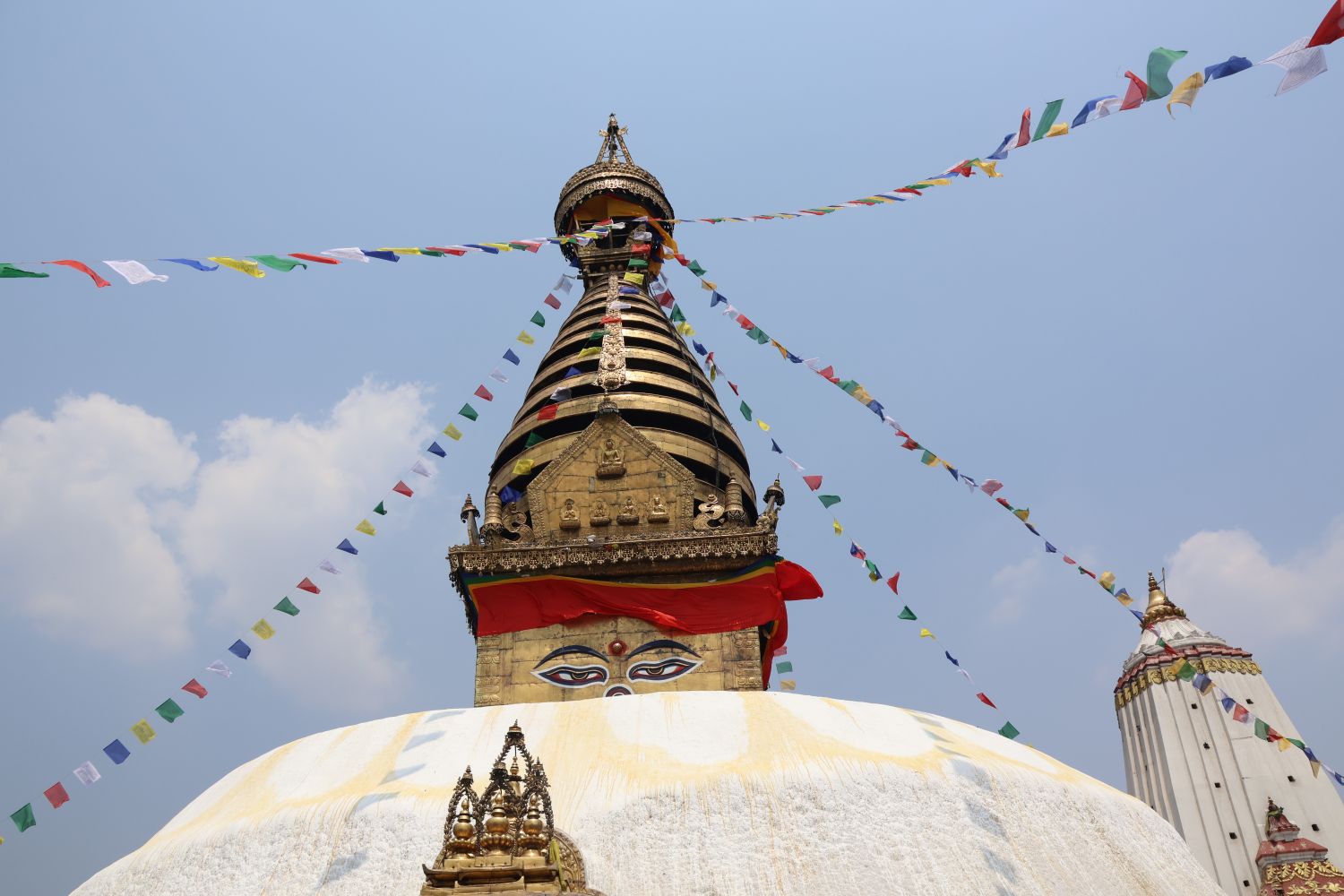
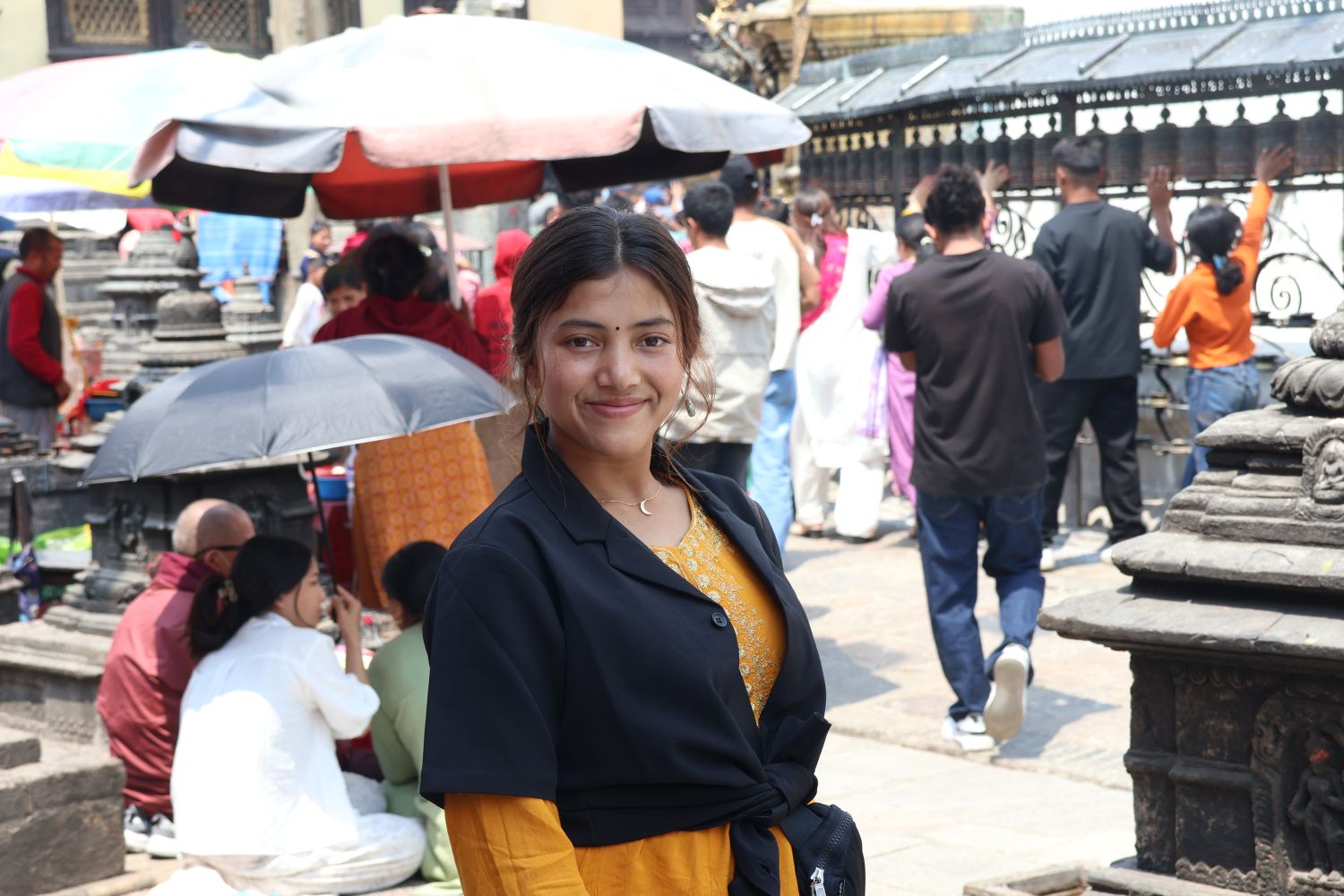
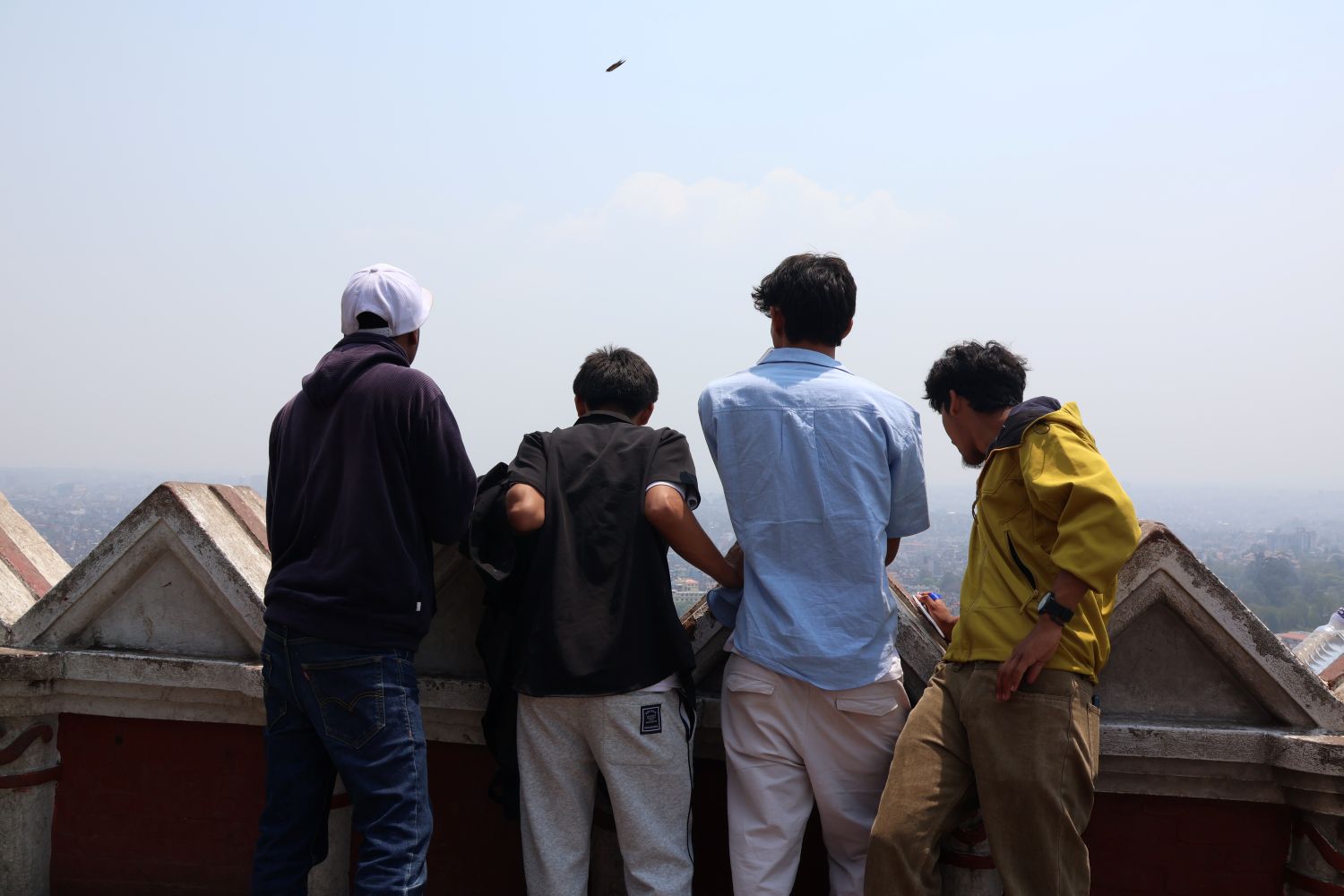
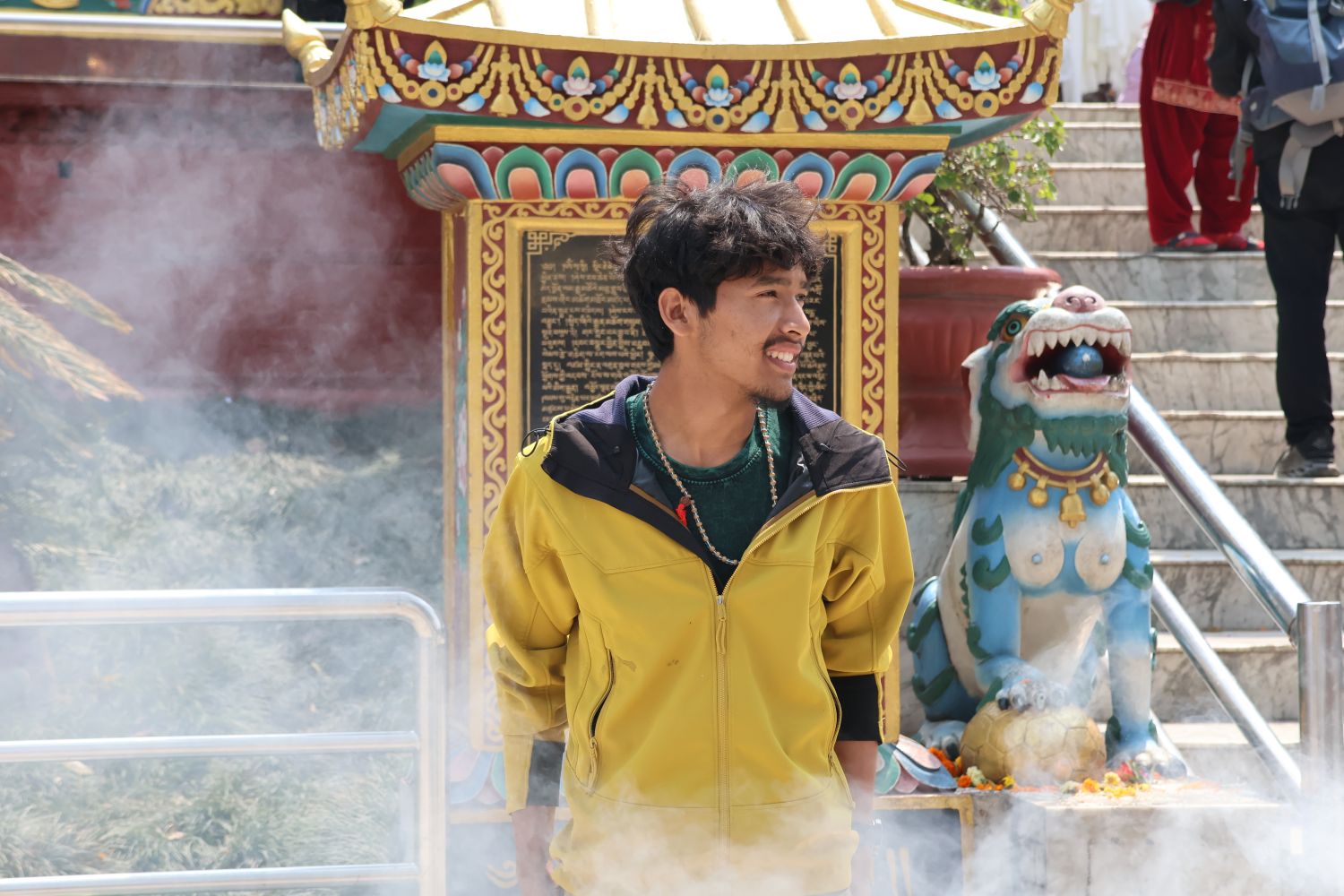
Swayambhunath, also known as the Monkey Temple, is one of Nepal’s oldest and most sacred religious sites. Located atop a hill in Kathmandu, it offers stunning panoramic views of the city. The iconic white stupa with its golden spire and Buddha’s all-seeing eyes symbolizes wisdom and peace. Swayambhunath is an important pilgrimage site for both Buddhists and Hindus and reflects Nepal’s rich cultural and spiritual heritage.
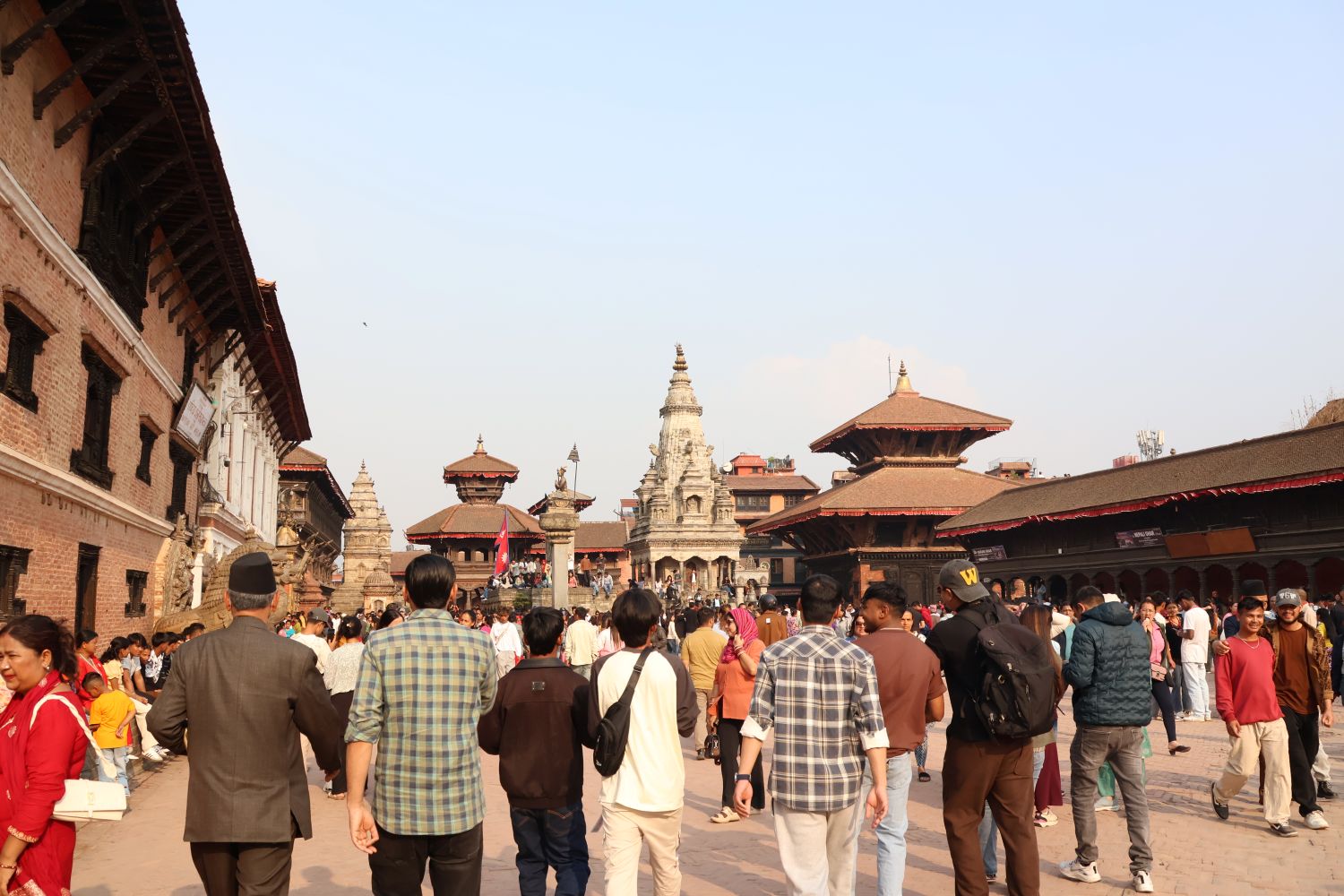
Our next visit was Bhaktapur Durbar Square. The local Newari folks were celebrating their festival that day, so we circled around them and watched their beautiful performances of dancing, singing, and swordsplay. Bhaktapur Durbar Square felt like an Utopia. As you step inside, you’ll be captivated by the intricate carvings and delicate designs that adorn the walls and pillars. The interior is a visual delight, with vibrant colors and detailed sculptures that tell stories.
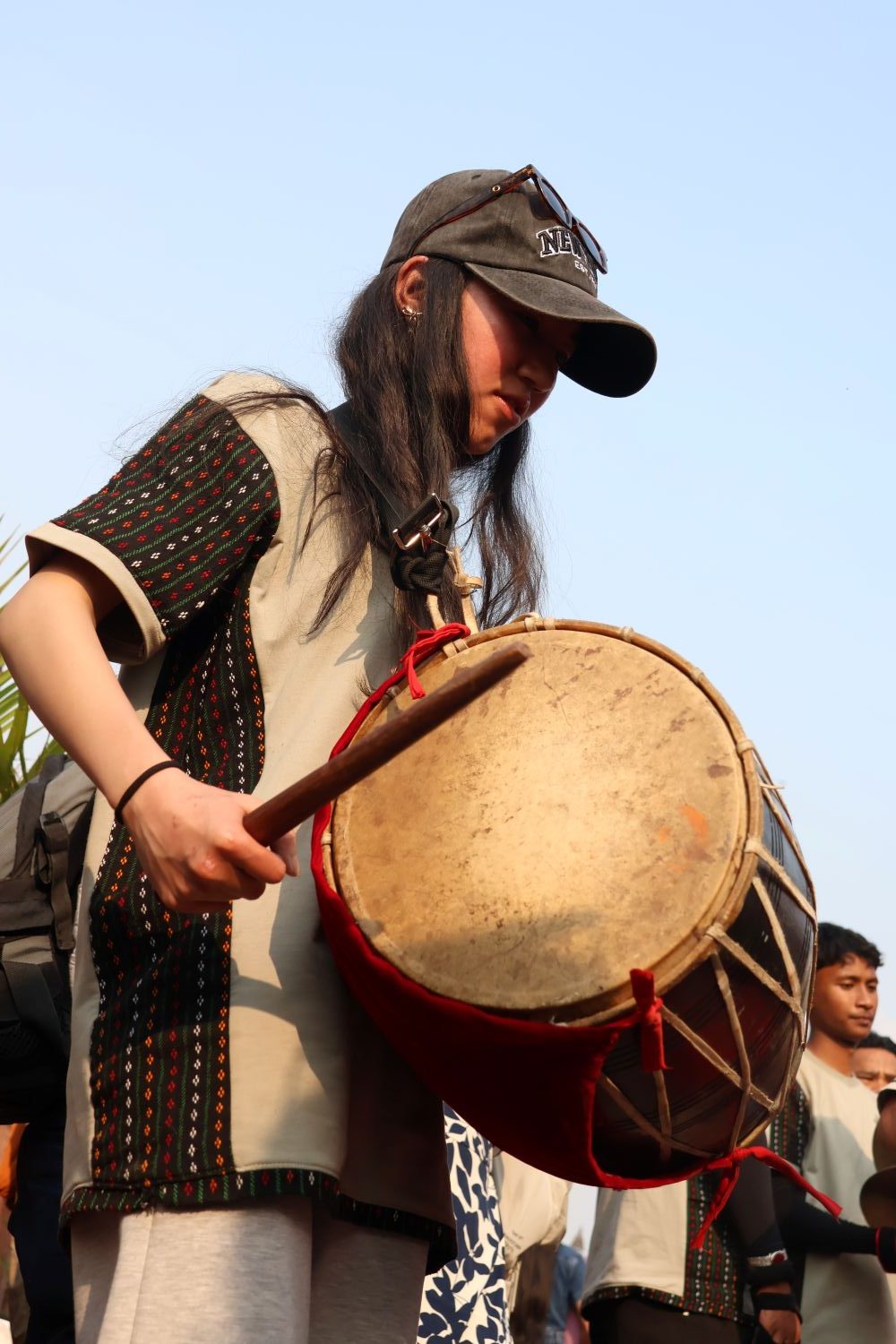
When it was time for us to head back, we tried the famous Juju Dhau, a sweetened yogurt blended with different dried fruits, which tasted heavenly. Our teachers had planned the afternoon for shopping, so we shopped for some goodies and gifts for our families.
Our 3rd day’s morning was spent packing and checking out of the hotel. We drove straight to Godawari, which was our last visit of the trip. While our breakfast was being prepared, we walked around and stumbled upon a beautiful, preserved, tiny fish lake. The guard there told us that the fishes belonged to God, therefore they looked otherworldly. Their scales were shimmering, and the water was very cold and refreshing to our touch. We wish we could show you the pictures, but we weren’t allowed to take any pictures. And you know that we should follow their rules. : )
Our last stop was the beautiful ICIMOD. It is a regional knowledge and research organization based in Kathmandu that works to protect the environment and improve livelihoods in the Hindu Kush Himalayan region. Through research, innovation, and collaboration, ICIMOD addresses important issues such as climate change, biodiversity conservation, sustainable development, and disaster resilience. The person in charge there gave us a tour, describing everything they were working on. They had invasive plants, a venomous snake, electricity generator, and more. ICIMOD topped the chart of our favorite places in Kathmandu. We could see so much in common with our school, and so much that our school could adapt from it. We took notes so that we could present ideas to our school team.
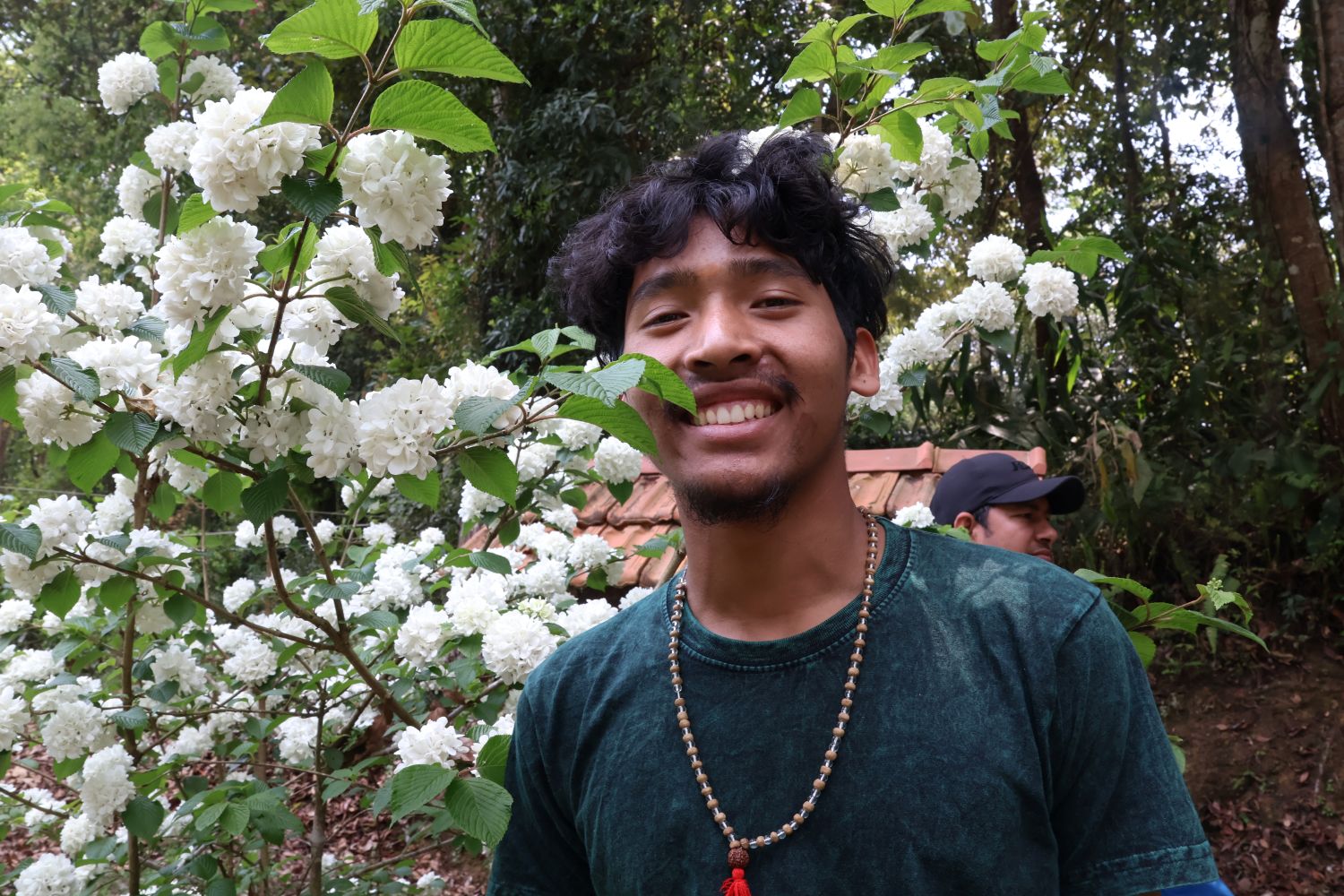
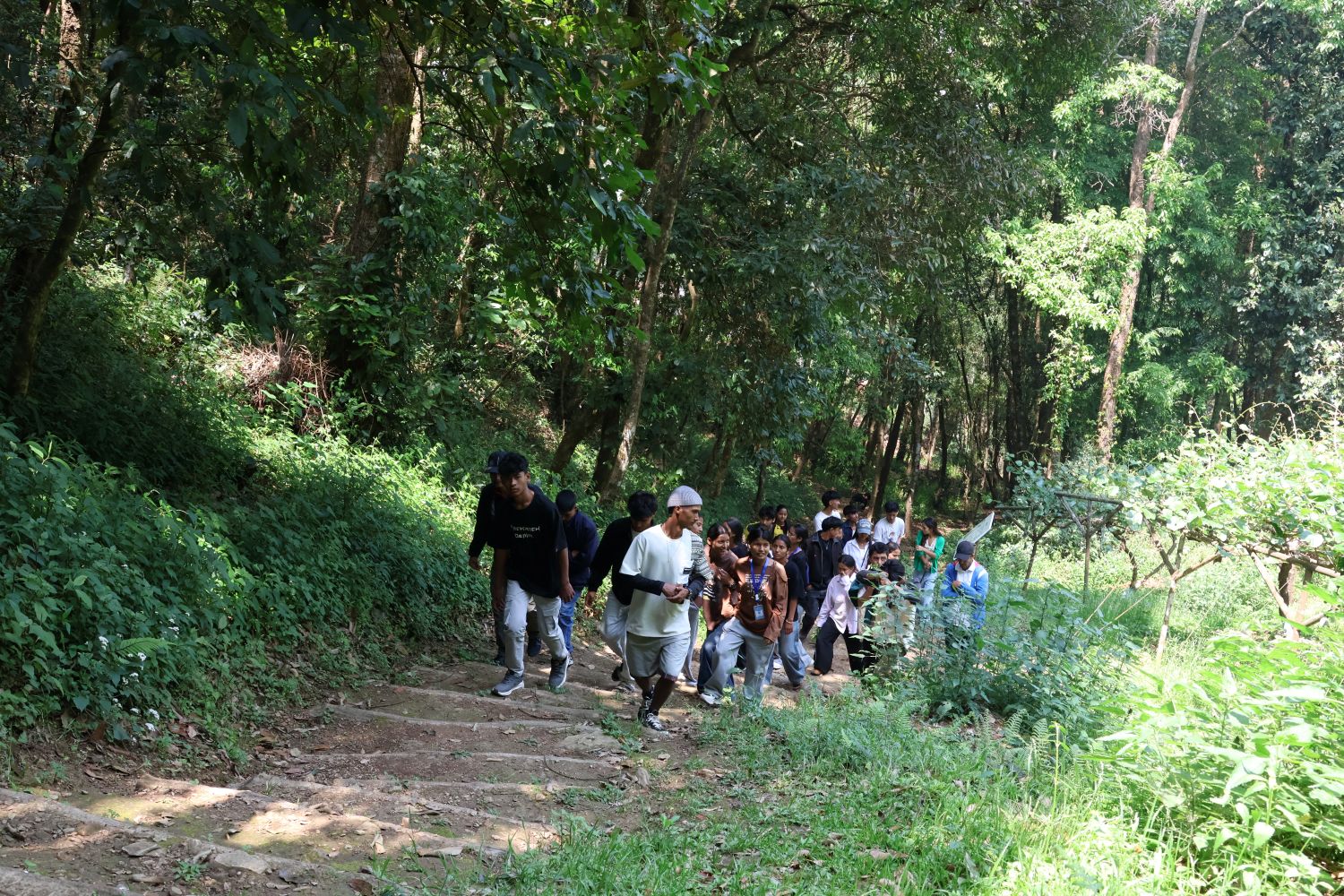
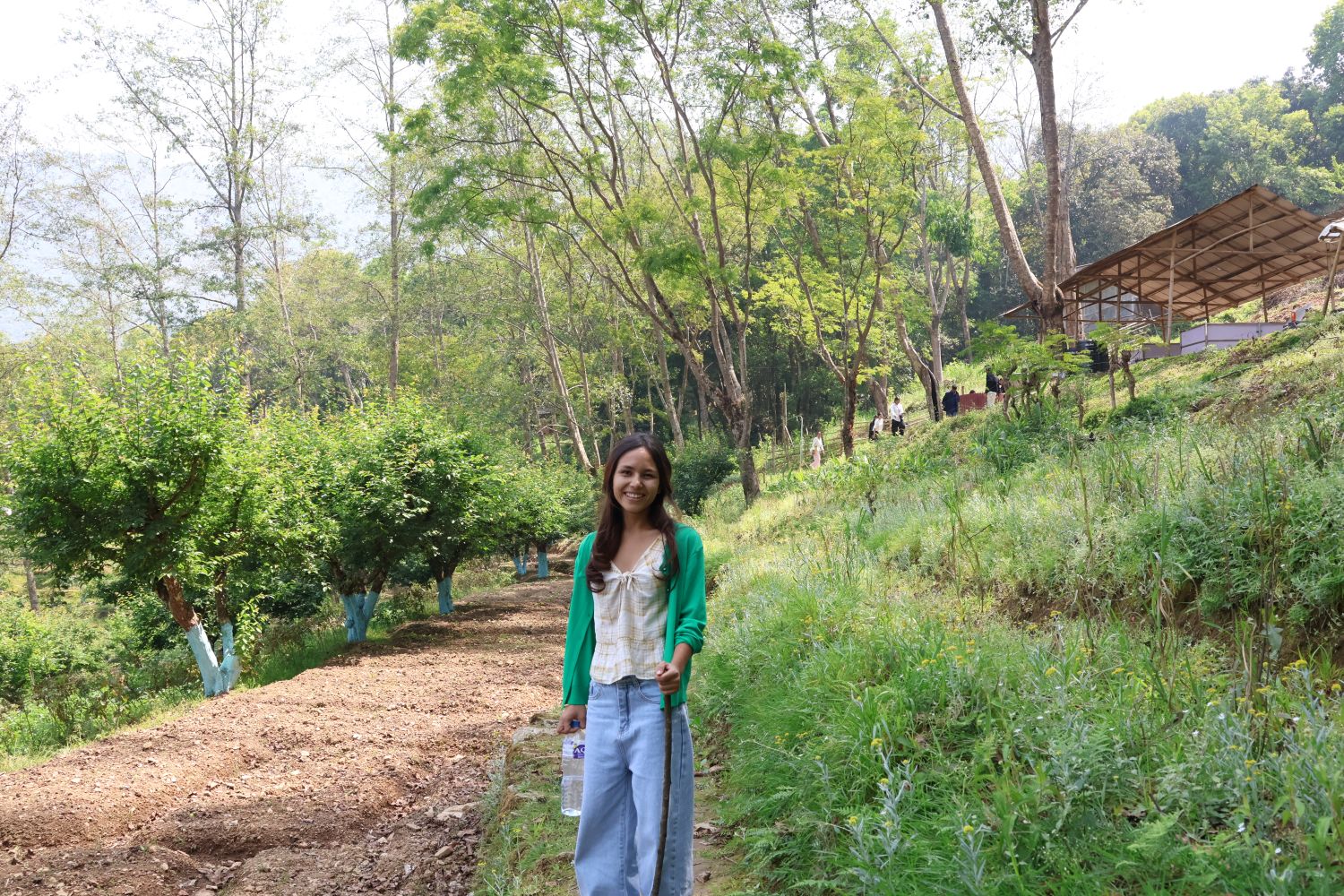
That ended our amazing trip to Kathmandu.
With new knowledge gained, horizons broadened, and new places explored, we got into our bus and journeyed back home.
Thank you for reading about our Kathmandu trip. We hope you enjoyed it as much as we enjoyed it. : )
Love,
Batch 12