By Apekshya Thapa
At around 10 in the morning, the quiet lane near the Kopila Valley compound in Surkhet slowly fills with the sound of footsteps.
One by one, women arrive carrying tote bags over their shoulders. Some have walked nearly an hour from their homes in nearby villages. Others live closer and slip in through the gate after dropping children at school or finishing the morning’s household chores.
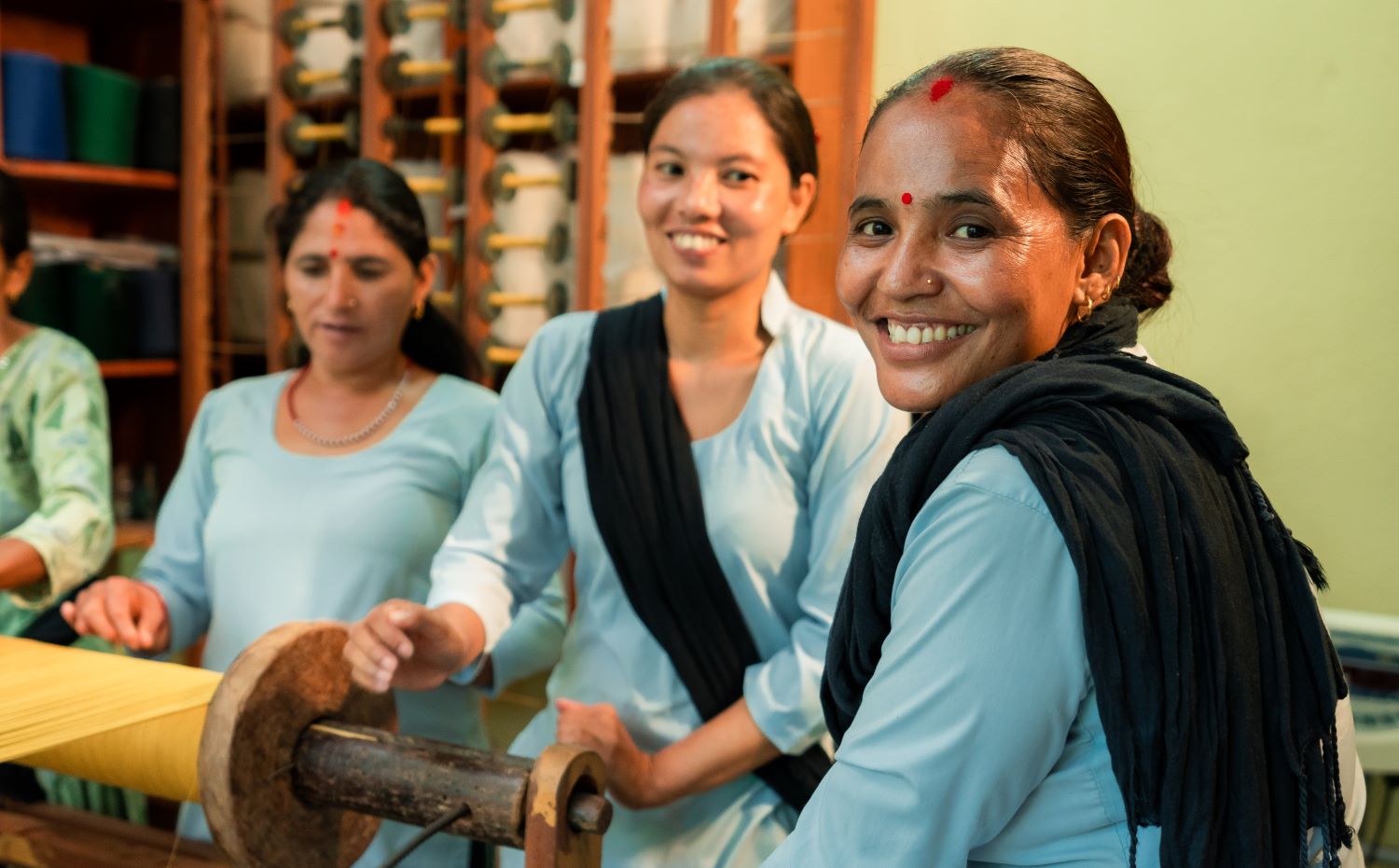
Inside their bags are steel tiffin boxes wrapped in small pieces of cloth, lunch packed from home. Soon the room begins to stir. Wooden looms are prepared, fabric is laid across tables, scissors click open, and sewing machines begin their steady hum.
This is the daily rhythm of the Kopila Valley Women’s Cooperative, where twelve women spend their days weaving, stitching, laughing, and quietly transforming their lives.
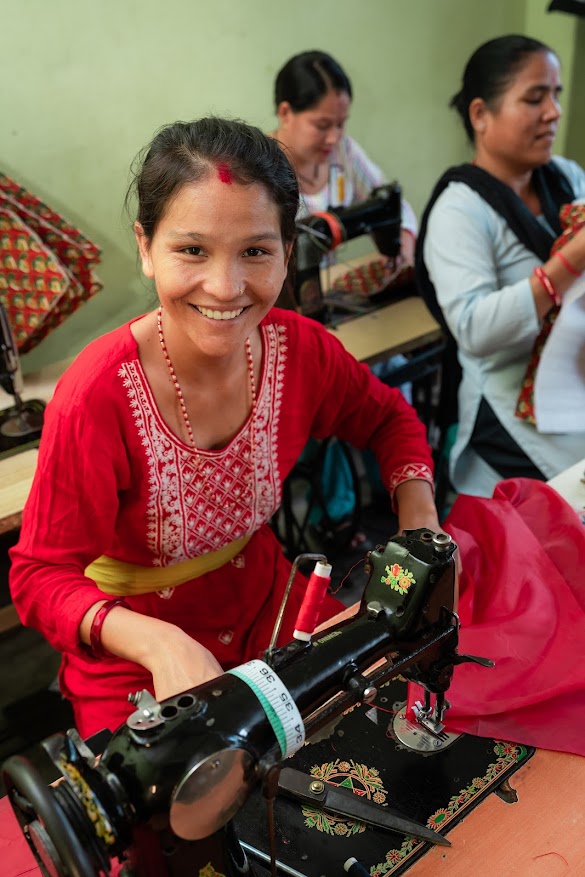
Five women work at traditional handlooms, carefully weaving colorful textiles thread by thread. The other seven sit at sewing machines and long worktables, cutting and stitching the fabric into bags, clothing, and other handmade products.
Together, they turn simple materials into something meaningful, both for customers and for themselves.
A Cooperative Built by Women
Many of these women have been connected to Kopila Valley for more than a decade. What began as skill training through the Kopila Valley Women’s Center gradually became a source of livelihood.
Over the years they learned tailoring, weaving, and small business skills while producing goods for local markets and the Kopila Valley community.
Eventually, they wanted something more permanent, something they could call their own.
So in 2017, the women took a collective step forward and formed the Kopila Valley Women’s Cooperative. Instead of working only through a program, they created a business managed by the women themselves, allowing them to earn income while building a sustainable future.
Today the cooperative stands as both a workplace and a symbol of independence.
The Weight and Strength of Karnali
Our journey is shaped by the realities of Karnali Province, one of Nepal’s most geographically dramatic and historically underserved regions.
The province stretches across high mountains and deep valleys where settlements are scattered and infrastructure is limited. Access to education, employment, and healthcare has long been more difficult here than in other parts of the country.
For women, opportunities to earn an income outside the home have traditionally been scarce.
Many families still rely on agriculture or seasonal labour, and migration of men for work is common. As a result, women often carry multiple responsibilities; caring for households, managing farms, and raising children.
For several members of the cooperative, this work is not just a job.
It is the primary income for their families.
The Rhythm of Work
Inside the cooperative workshop, the day unfolds with a steady, almost meditative rhythm.
At one end of the room, the wooden looms creak and tap as threads are woven tightly into patterned cloth. The process requires patience and precision. Each movement of the hands pulls the shuttle across the loom, slowly building the fabric line by line.
Across the room, sewing machines buzz in soft bursts as the stitchers shape the woven textiles into finished products.
Fabric moves from loom to table to needle.
What stands out most, however, is the atmosphere.
There is constant conversation; jokes shared across tables, small stories exchanged between stitches, occasional bursts of laughter that rise above the mechanical sounds.
From morning until late afternoon, the workshop plays this quiet symphony of work.
Lunch Together
Around midday, the machines fall silent.
The women gather in a circle on the floor, opening the steel tiffin boxes they carried from home that morning. One has brought rice and lentils, another vegetables, someone else pickles or their favorites.
Soon the food is no longer separated.
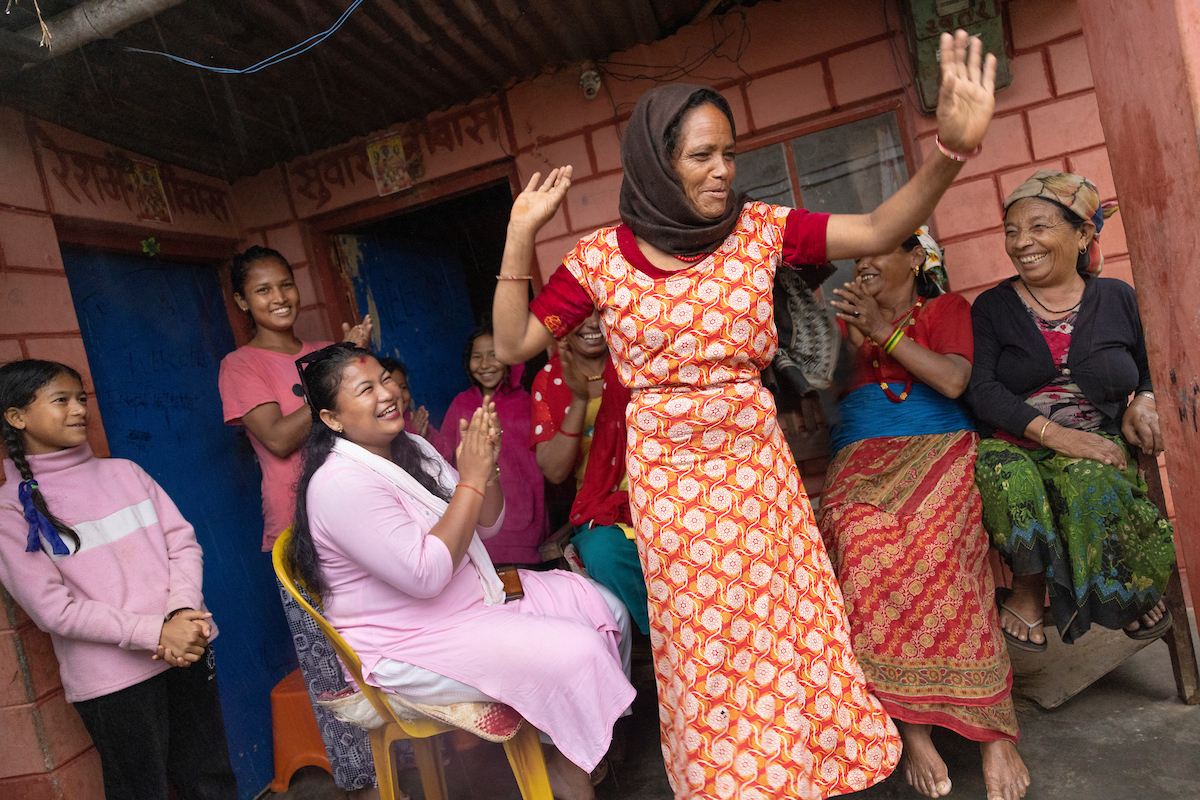
Dishes move from hand to hand as everyone shares what they have brought. Conversations flow easily; stories about children, families, neighbors, and the small events of everyday life.
For a while, the cooperative feels less like a workplace and more like a gathering of sisters.
When the meal is finished, the boxes are packed again, laughter lingers in the room, and the women return to their looms and machines.
A Space of Their Own
For many of them, the cooperative is also something else: a rare space of freedom.
“This is a place where we come together and forget our household problems for a while,” says Pabitra Thapa, one of the cooperative members.
“Here we work, smile, and spend time with our friends and colleagues. We feel free.”
The women rely deeply on teamwork. Tasks are shared, advice is offered freely, and skills are constantly exchanged. The experienced weavers guide newer members, while the stitchers help refine designs and finishing.
Over time, the workshop has become more than just a place of employment.
It is a community.
Weaving Futures
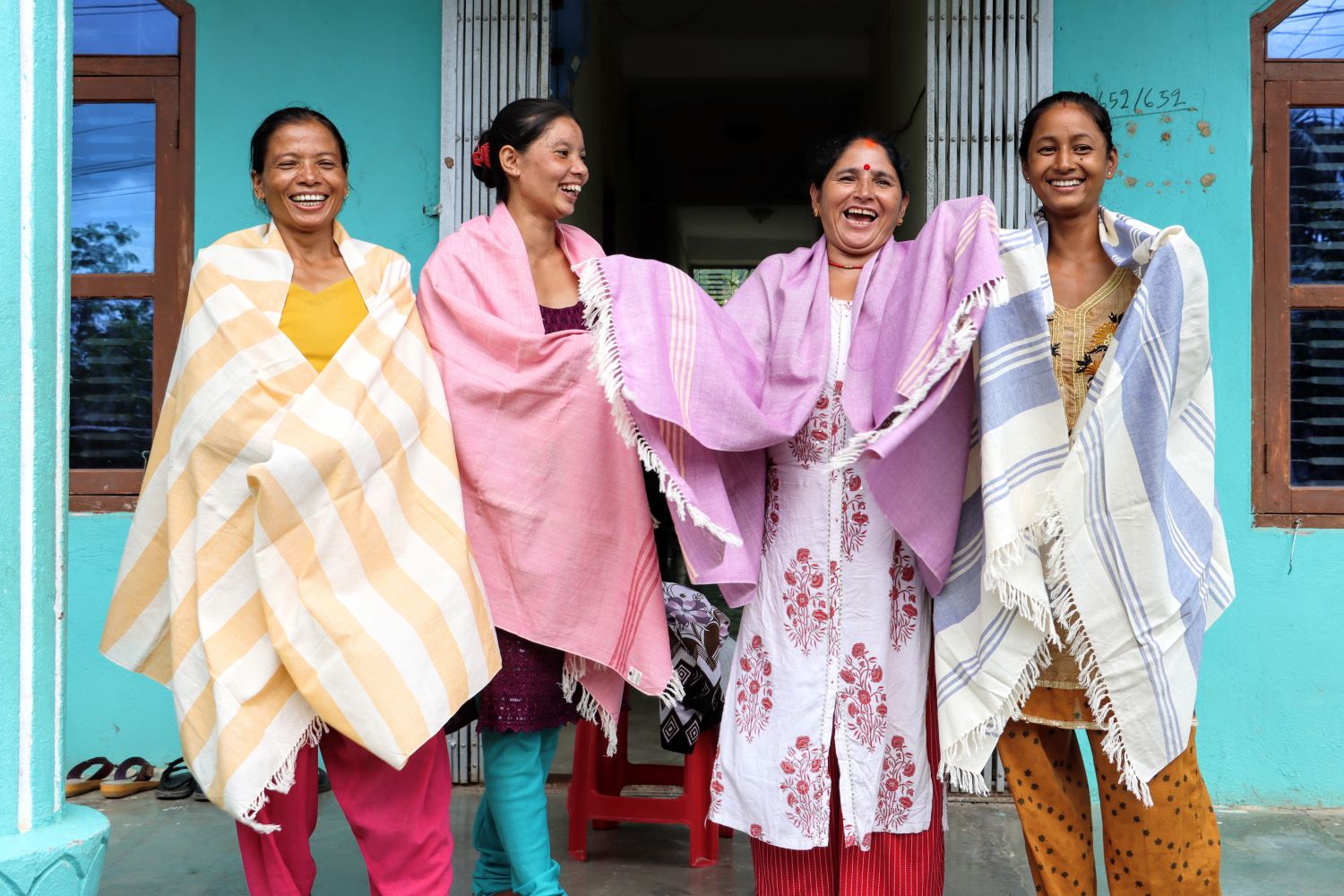
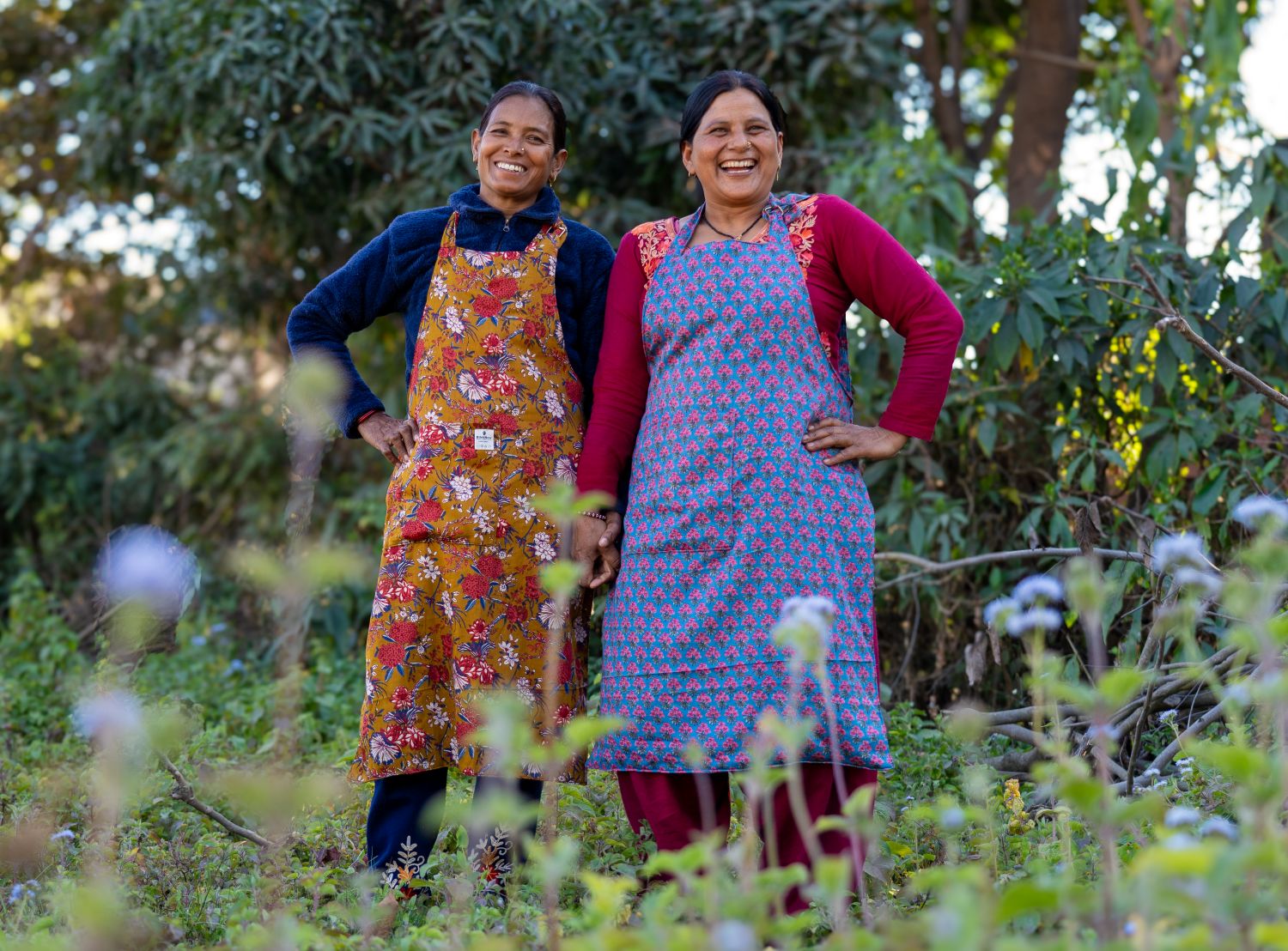
The products created here like tote bags, textiles, and handmade goods, travel far beyond Surkhet.
But every piece still carries the story of the hands that made it.
Hands that walked long distances to work.
Hands that learned new skills over years of patience.
Hands that now help support families and shape futures.
In Karnali, where opportunities can be limited and the terrain itself presents daily challenges, these
twelve women are quietly demonstrating another possibility.
Thread by thread.
Stitch by stitch.
And loom by loom
Apekshya Thapa is the Director for the Kopila Valley Women’s Cooperative.